Dragon Half
1993
No user ratings available yet
Representation score: 5.6 out of 10
Representation Score
Fair
1992
Director
Fumio Maezono
Runtime
46 minutes
Average Rating
No ratings yetNew Showbiz Analysis
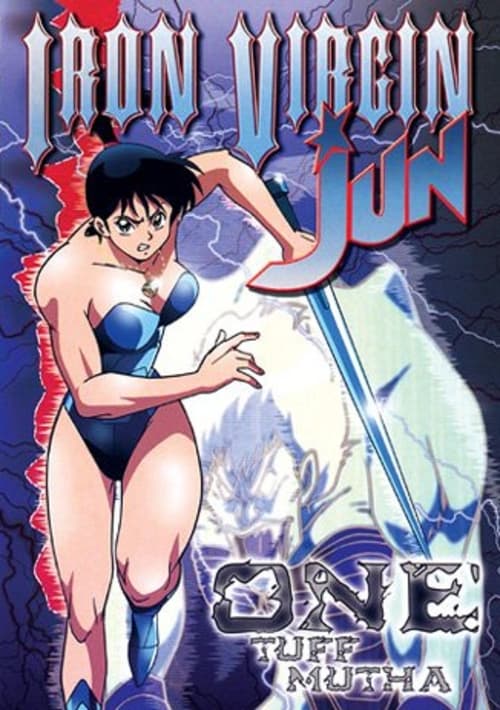
Iron Virgin Jun offers a moderate level of representation by focusing on a female protagonist who actively resists patriarchal family traditions. Jun's position of power within the Asuka dynasty marks a significant departure from typical domestic clichés of the time. However, the film remains largely confined by the cultural and narrative constraints of 1990s animation. It lacks explicit LGBTQ+ themes and focuses on a specific ethnic and cultural framework. The film's strength lies in its subversion of gender roles rather than its broad representation of diverse identities.
Category Breakdown
The story centers around a traditional marriage arrangement, emphasizing straight relationships. Jun's refusal of her arranged husband hints at personal choice, but there are no explicit depictions of LGBTQ+ identities.
Jun challenges traditional gender roles by holding significant economic and physical power. Her escape from an arranged marriage defies the stereotype of the passive female lead, highlighting her active role in the story.
As a 1992 Japanese production, the story focuses on a specific ethnic identity. The narrative stays within its cultural context without showing significant racial diversity.
The film criticizes rigid social structures by presenting family tradition as a constraint. The conflict between Jun and the Asuka dynasty highlights the pressures of inherited status.
The available narrative information does not depict any visible or invisible disabilities as part of the plot.
Present on Screen
Limited or Absent
Official Synopsis
Jun's 18th birthday has been selected by family tradition to be the day that her husband is chosen. Many high-class families have come to try to marry into the physically and economically powerful Asuka dynasty, but Jun is not interested. With her servant Kratta in tow, she runs away from the groom-choosing party.
1993
1986

1993
2004
1988
1991
2007
1991
No reviews yet. Be the first to share your thoughts on this movie!
Use the rating form above to leave a star rating and optional review.