
Le Filmeur
2005
No user ratings available yet
Representation score: 7.3 out of 10
Representation Score
Fair
2012
Director
Stephen Dwoskin
Runtime
75 minutes
Average Rating
No ratings yetNew Showbiz Analysis
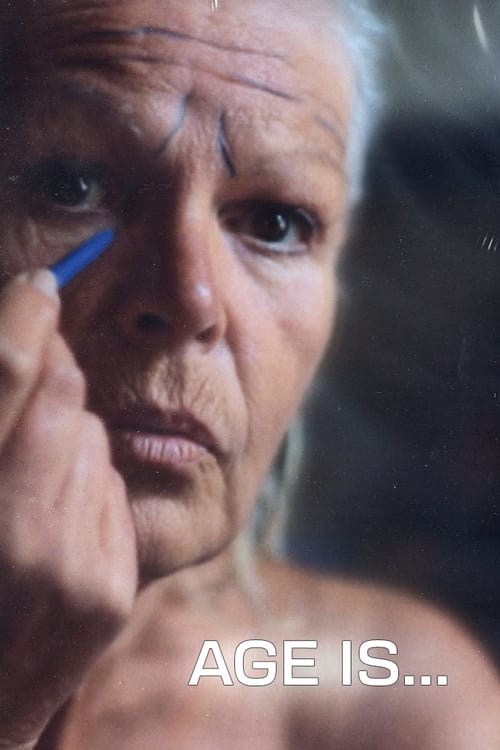
Age Is... serves as a contemplative exploration of the human condition, presenting subjects as biological and temporal beings rather than characters defined by social roles. While it avoids traditional clichés, it lacks explicit identity-driven storytelling, which limits a full assessment of diversity metrics. The film operates in a space of aesthetic observation rather than social commentary.
Category Breakdown
The film highlights close friendships and personal connections but does not explicitly depict queer identities or specific LGBTQ+ stories.
Characters are shown as individuals defined by time rather than traditional gender roles or performances. The film avoids typical gender hierarchies and stereotypes.
There is not enough information to determine the racial makeup of the characters. The focus is on the beauty and uniqueness of individual faces without specific ethnic narratives.
The film critiques the emphasis on youth in capitalism by valuing pauses and moments. It prioritizes personal experiences over institutional or Western cultural structures.
The film treats aging with respect and dignity, focusing on the natural process rather than viewing it as a tragedy or spectacle.
Present on Screen
Limited or Absent
Official Synopsis
Stephen Dwoskin’s final film is a meditation on the subjective experience and cultural concepts of ageing. The film is an ode to the texture, the beauty, the singularity of aging faces and silhouettes, a hypnotic poem in the Dwoskin meaning of the term which is long observations of very tiny details. A gesture, a pause, a look, a moment. Throughout his films intimacy has always played a leading role and this is also true for Age is..., all the faces being close friends, or close friends relatives and sometimes even Stephen himself.
2005

2014

2014
2008
2006
1978

2000

2017
No reviews yet. Be the first to share your thoughts on this movie!
Use the rating form above to leave a star rating and optional review.