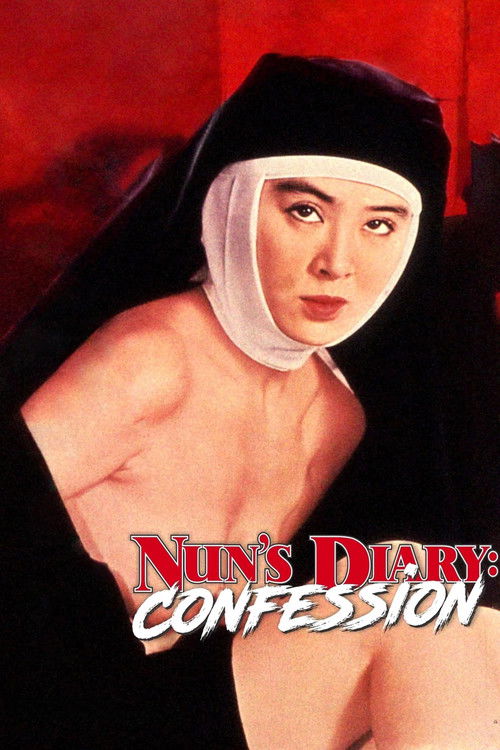
Nun's Diary: Confession
1979
No user ratings available yet
Representation score: 7.0 out of 10

Representation Score
Fair
1974
Director
Armando Crispino
Runtime
102 minutes
Average Rating
No ratings yetNew Showbiz Analysis
The film is a compelling study of power and institutional corruption. Its primary strength lies in its subversion of patriarchal hierarchies through a female protagonist who gains ability to act within a restrictive system. While the narrative offers a progressive perspective on gendered power dynamics, it remains limited by the demographic norms of its era. The absence of racial diversity and explicit LGBTQ+ identities restricts a more layered exploration of identity. Overall, the film effectively critiques systemic authority, using the convent setting to explore how individuals navigate and challenge corrupt structures.
Category Breakdown
The film explores themes of celibacy and non-traditional domestic life but does not explicitly address LGBTQ+ identities or non-straight relationships.
The protagonist's journey from forced submission to institutional authority highlights her growing ability to act. She rises to become Abbess, challenging the stereotype of the passive female character.
Reflecting the demographics of its time, the film lacks racial diversity in its casting, consistent with the historical context.
The film critiques Western religious institutions by depicting the Church as corrupt. It emphasizes situational ethics and the dismantling of authority.
There is no indication of physical or neurodivergent disabilities portrayed in the film.
Present on Screen
Limited or Absent
Official Synopsis
A young woman is forced into a convent. However, due to her nobility she rises to be an abbess. She has to deal with corruption in the church.
1979

1967

1974
1959

1974

1962
2022

2017
No reviews yet. Be the first to share your thoughts on this movie!
Use the rating form above to leave a star rating and optional review.