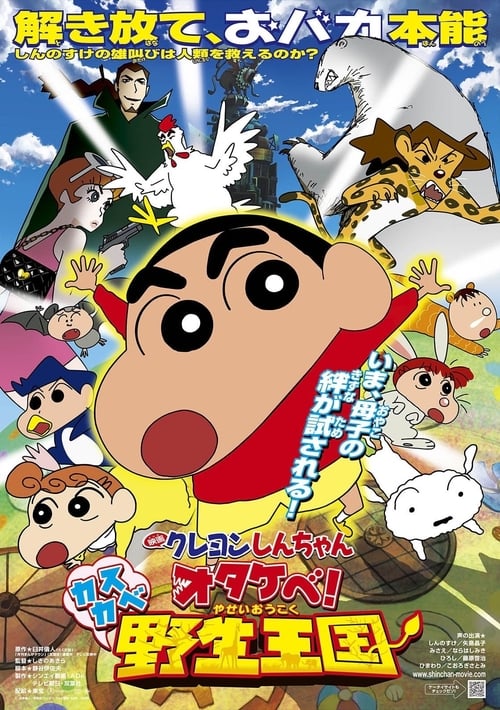
Crayon Shin-chan: Roar! Kasukabe Animal Kingdom
2009
No user ratings available yet
Representation score: 4.8 out of 10

Representation Score
Limited
2002
GDirector
Genndy Tartakovsky
Runtime
7 minutes
Average Rating
No ratings yetNew Showbiz Analysis
Chicken Scratch emphasizes fast-paced, visually dynamic storytelling over deeper social commentary. The narrative structure relies on well-known character types that uphold traditional roles rather than challenging them. By focusing on a personal struggle with illness, the film avoids engaging with broader social, cultural, or identity issues. The production maintains a uniform environment without exploring complex social hierarchies or characters who reflect more than one aspect of diversity.
Category Breakdown
The short film does not include any representations of LGBTQ+ identities or same-sex relationships. The main characters have a sibling relationship.
The story follows traditional gender roles where Dexter is portrayed as the thoughtful leader and Dee Dee as the chaotic, impulsive sister.
The film features a homogeneous cast with no visible ethnic diversity. The high-tech laboratory setting is presented as a place without cultural differences.
The movie explores the conflict between scientific order and biological impulses but does not address religious, political, or anti-capitalist themes.
Chicken pox is used as a comedic plot device rather than a nuanced exploration of physical experience. The struggle is a comedic exaggeration of an ailment.
Present on Screen
Limited or Absent
Official Synopsis
When Dexter gets the chicken pox, Dee Dee tells him that if he scratches he'll turn into a chicken. Dexter strives against the elements of nature to not scratch but he cannot help it. Based on the television series "Dexter's Laboratory."
2009
2001

1995
1988
1995
2009
2012
2001
No reviews yet. Be the first to share your thoughts on this movie!
Use the rating form above to leave a star rating and optional review.