
Sherpa
2015
No user ratings available yet
Representation score: 4.3 out of 10
Representation Score
Good
2002
TV-GDirector
Win Whittaker
Runtime
72 minutes
Average Rating
No ratings yetNew Showbiz Analysis
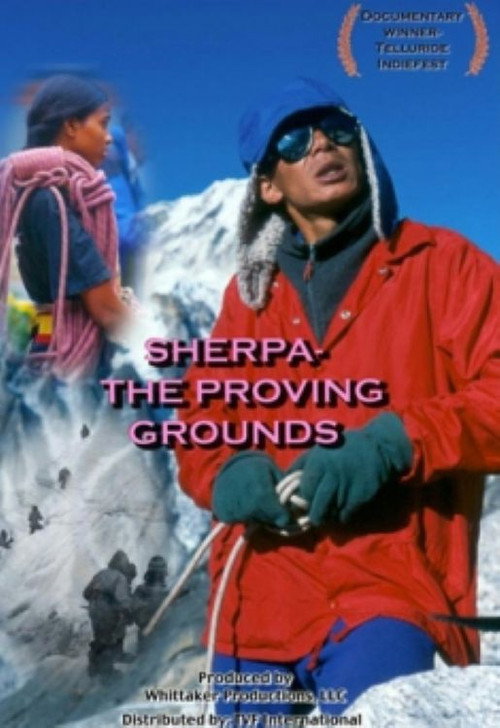
Sherpa: The Proving Grounds offers a fresh perspective on mountaineering by shifting the focus from Western explorers to the technical expertise and leadership of the Sherpa people. The film challenges the traditional hierarchy by emphasizing the role of female climbers and the ability to act of the Sherpa community. While the documentary does not include LGBTQ+ representation or characters with disabilities, it excels in documenting the evolution of Sherpas from support roles to technical leaders.
Category Breakdown
The film lacks explicit mention of LGBTQ+ characters or narratives. It focuses primarily on the historical context of the Himalayan Mountaineering Institute and female climbers.
The documentary centers on a group of young women and their experiences in a rigorous 28-day mountaineering course. It emphasizes their physical capabilities and leadership skills, challenging traditional gender roles in the sport.
The film prominently features the Sherpa people, highlighting their expertise and leadership in mountaineering. It moves away from the typical background roles often given to indigenous communities in Western films.
The documentary explores the blend of Sherpa cultural traditions with modern mountaineering techniques. It showcases the unique contributions of the Sherpa community within the Himalayan region’s mountaineering history.
There is no information regarding the portrayal of characters with physical or neurodivergent disabilities.
Present on Screen
Limited or Absent
Official Synopsis
When Tenzing Norgay, a Sherpa, joined Edmund Hillary as the first men to summit Mount Everest in 1953, it alerted the world to the indispensable role of the Sherpas on any Himalayan expeditions. By 1954 the Himalayan Mountaineering Institute (HMI) was founded to marry the high-altitude strengths of the Sherpa with technical climbing skills. The HMI’s arduous training program has been developing mountaineers who play crucial roles in the success of Himalayan ascents. In 1967, HMI’s field director Nawang Gombu, a Sherpa and the first man to summit Everest twice, was charged with training women as well. In Sherpa: the Proving Grounds we follow a team of intrepid young women as they attack the grueling 28-day course.
2015
2013

2011
2016

2024

2014
1998

2015
No reviews yet. Be the first to share your thoughts on this movie!
Use the rating form above to leave a star rating and optional review.