
Girl Rising
2013
No user ratings available yet
Representation score: 5.0 out of 10
Representation Score
Good
2018
TV-PGDirector
Tony Gerber
Runtime
49 minutes
Average Rating
No ratings yetNew Showbiz Analysis
The documentary is a powerful exploration of empowerment, shifting the focus from Western-centric perspectives to the lived experiences of women in various countries. By prioritizing the ability to act of local educators and students, the film dismantles traditional development narratives. While the film excels in racial and gender representation, it remains neutral regarding LGBTQ+ identities, as the scope is strictly tied to gendered educational access. The absence of disability representation also limits the breadth of its inclusiveness. Ultimately, the film succeeds as a study of how education can dismantle systemic oppression, providing a globalized view of leadership and resilience.
Category Breakdown
The film focuses on gendered educational access within traditional societal frameworks and does not include explicit depictions of LGBTQ+ identities or non-straight relationships.
This documentary challenges traditional hierarchies by emphasizing the active roles of young women as drivers of change rather than passive participants.
The film centers on a diverse group of subjects from African, Middle Eastern, and South Asian backgrounds, avoiding white savior clichés by highlighting the inherent strength of local women.
The narrative addresses post-colonial themes and the complex influence of cultural traditions on education, prioritizing the voices of underrepresented communities over a singular Western moral standard.
There is no significant or recurring depiction of physical or neurodivergent disabilities within the film's thematic focus.
Present on Screen
Limited or Absent
Official Synopsis
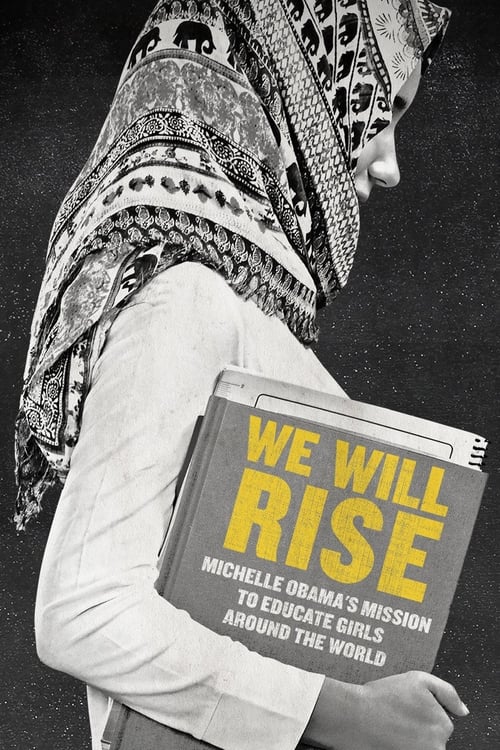
Michelle Obama, Meryl Streep, Freida Pinto and CNN's Isha Sesay take a journey to Morocco and Liberia, where they meet young women overcoming incredible odds to change their lives.
2013

2015

2022

2016

2020

2020

2021

2020
No reviews yet. Be the first to share your thoughts on this movie!
Use the rating form above to leave a star rating and optional review.