
The Red Balloon
1956
No user ratings available yet
Representation score: 1.3 out of 10
Representation Score
Fair
1986
Director
Johannes Schaaf
Runtime
101 minutes
Average Rating
No ratings yetNew Showbiz Analysis
Momo stands out for its strong centering of women's ability to drive the story. By positioning a young orphan girl as the essential protector of her community, the film avoids submissive feminine clichés and grants the protagonist significant metaphysical authority. However, the film is limited by its specific mid-1980s East German production context. The lack of racial diversity and queer representation reflects the demographic constraints of its era and setting. The film's greatest strength lies in its cultural critique. It effectively uses fantasy to challenge the corrosive nature of large-scale corporate structures and the erosion of communal bonds.
Category Breakdown
The film does not include any LGBTQ+ characters or narratives. It focuses on the protagonist's social integration within a neighborhood setting without exploring non-straight relationships or identities.
Momo serves as a powerful central figure, disrupting traditional hierarchies by acting as the primary driver of the plot. She plays a significant role in protecting her community's social integrity.
The cast reflects the specific demographic reality of 1980s East Germany. The narrative does not prioritize diverse racial backgrounds, focusing instead on local socioeconomic and temporal dynamics.
The story offers a sophisticated critique of institutional power and predatory corporate structures. It prioritizes human connection and subjective experience over the rigid demands of a systemic, clock-driven society.
No characters with visible or invisible disabilities drive the narrative. While Momo's status as an orphan creates social vulnerability, this is framed through socioeconomic lenses rather than disability.
Present on Screen
Limited or Absent
Official Synopsis
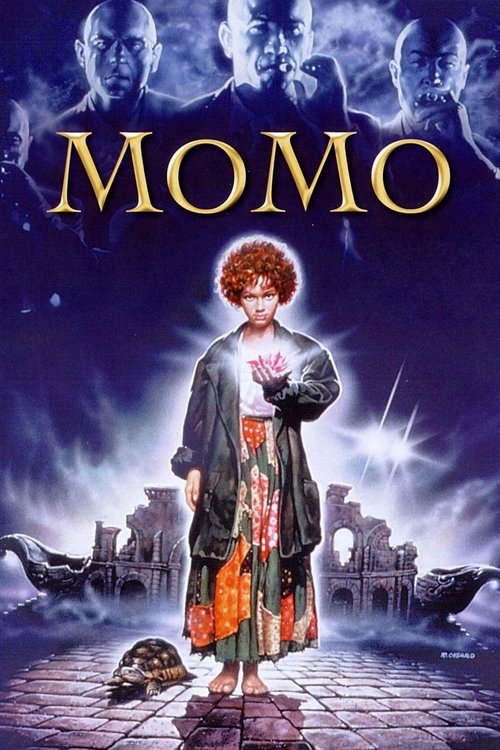
Momo is a young orphan girl who lives in the ruins of an old Roman amphitheater and becomes friends with everybody in the neighborhood. But when a powerful international corporation starts stealing everybody’s time, nobody has any time left for her, let alone their friends or families. Momo, together with Master Hora, the custodian of time, are the only ones who can go up against the time thieves before all is lost forever.
1956
1951
2001
1985
1982

1974

1989

1987
No reviews yet. Be the first to share your thoughts on this movie!
Use the rating form above to leave a star rating and optional review.