
Little Vampire
2020
No user ratings available yet
Representation score: 7.3 out of 10
Representation Score
Good
2001
Director
Enzo D'Alò
Runtime
77 minutes
Average Rating
No ratings yetNew Showbiz Analysis
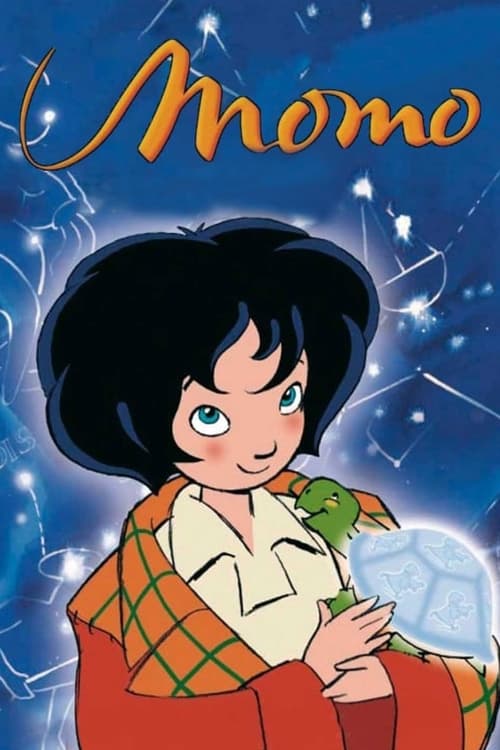
Momo is a philosophically driven animation that prioritizes systemic critique over explicit identity-based representation. It succeeds by challenging traditional power dynamics, placing a young girl's intellect and empathy at the center of a battle against dehumanizing industrial forces. The film lacks diversity in terms of LGBTQ+ and racial identities, remaining within a stylized, somewhat ambiguous urban framework. However, it compensates through its profound deconstruction of the 'efficiency' myth and its celebration of non-standard ways of perceiving the world. Ultimately, the work achieves a meaningful disruption of conventional social narratives by framing capitalist productivity as a threat to human ability to act and community bonds.
Category Breakdown
The film does not include any LGBTQ+ characters or non-cisgender gender identities. The story focuses entirely on the conflict between humanity and the mechanistic Grey Men.
Momo challenges traditional gender roles by centering the narrative on a young female protagonist's role. Her emotional intelligence and listening skills are key tools in combating systemic threats.
The stylized, fictionalized urban setting lacks explicit racial or ethnic identifiers. While the cast is not diverse in terms of ethnicity, the film avoids reinforcing homogeneous Western norms through its transient neighborhood structure.
The film offers a sophisticated critique of late-stage capitalism and industrial speed. It prioritizes leisure and human connection, challenging the perceived superiority of modern, productivity-driven social organization.
Momo’s heightened sensory perception and ability to listen are portrayed as a neurodivergent-coded strength. This portrayal highlights a non-standard way of interacting with the world as a vital, heroic asset.
Present on Screen
Limited or Absent
Official Synopsis
Momo is a young orphan girl who lives in the ruins of an old Roman amphitheater and becomes friends with everybody in the neighborhood. But when a powerful international corporation starts stealing everybody’s time, nobody has any time left for her, let alone their friends or families. Momo, together with Master Hora, the custodian of time, are the only ones who can go up against the time thieves before all is lost forever.
2020

1957
2025
1980
2003
2001

1992

2011
No reviews yet. Be the first to share your thoughts on this movie!
Use the rating form above to leave a star rating and optional review.