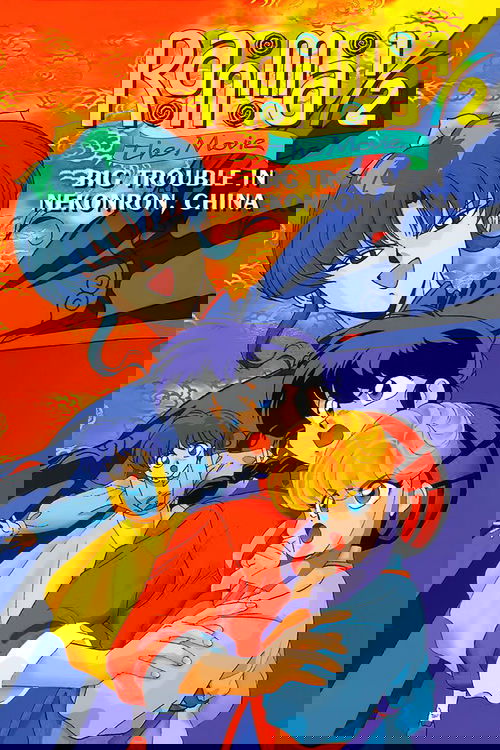
Ranma 1/2 the Movie: Big Trouble in Nekonron, China
1991
No user ratings available yet
Representation score: 6.1 out of 10
Representation Score
Good
1994
Director
Junji Nishimura
Runtime
31 minutes
Average Rating
No ratings yetNew Showbiz Analysis
The film excels in its subversion of traditional gender roles, using a magical curse to present a character with a non-binary physical identity. This approach challenges traditional masculine archetypes and allows female characters to maintain high levels of combat ability to act. However, the narrative lacks depth regarding racial and ethnic diversity, remaining centered within a homogeneous Japanese cultural context. Additionally, physical alterations are treated as comedic clichés rather than meaningful representations of disability or neurodivergence. Ultimately, the work is a study in gender fluidity and shifting identities, even as it remains limited by the era's production standards regarding broader social intersections.
Category Breakdown
Ranma Saotome’s magical curse creates a non-binary physical identity. The character navigates the world through both male and female forms, challenging traditional expectations of a singular, stable identity.
The film disrupts traditional gender roles by presenting Ranma's transformations as a challenge to fixed masculinity. Female characters frequently demonstrate significant combat abilities and physical strength equal to their male counterparts.
The cast is largely homogeneous, reflecting the specific cultural context of 1990s Japanese animation. The narrative focuses on internal martial arts hierarchies rather than diverse ethnic intersections.
Morality in the story is defined by combat prowess and personal honor rather than institutional ethics. The narrative prioritizes individualistic, disruptive social behavior over broader civic or Western institutional critiques.
Magical transformations serve as comedic plot devices rather than nuanced explorations of disability. Physical struggles are primarily used to drive slapstick action and character antics.
Present on Screen
Limited or Absent
Official Synopsis
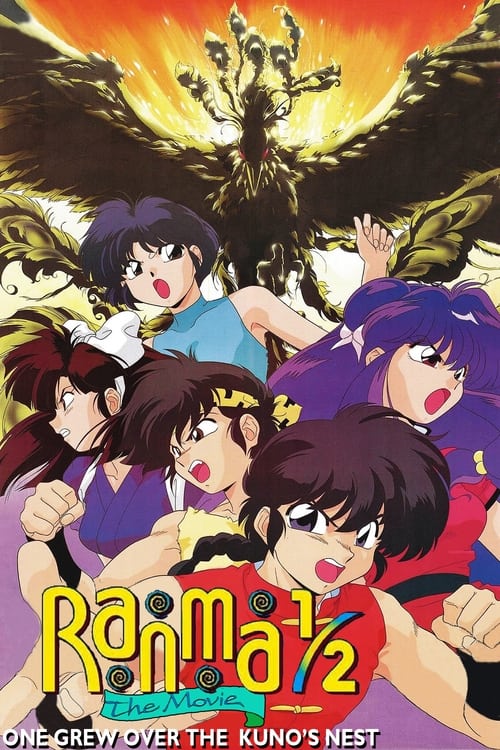
Kuno purchases a strange egg, believing that the mysterious powers of the legendary Phoenix will help him defeat Ranma. But when the egg hatches on his head, the bird goes out of control and wreaks havoc all over Tokyo. Ranma and the gang must use any means necessary to get the Phoenix to leave Kuno's head and fly away.
1991
1987
1997

2004
1993

1992
1989

1988
No reviews yet. Be the first to share your thoughts on this movie!
Use the rating form above to leave a star rating and optional review.