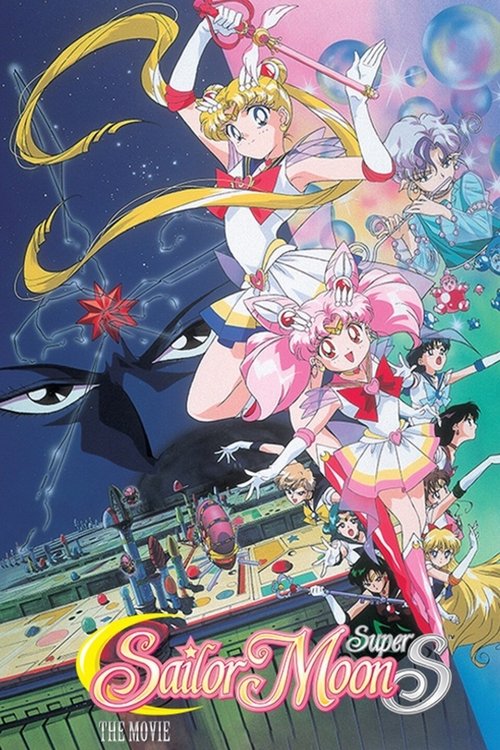
Sailor Moon SuperS: The Movie - Black Dream Hole
1995
No user ratings available yet
Representation score: 6.4 out of 10
Representation Score
Good
1994
TV-14Director
Hiroki Shibata
Runtime
59 minutes
Average Rating
No ratings yetNew Showbiz Analysis
This film stands out for its progressive narrative design, particularly in how it disrupts traditional gendered combat roles. By placing female characters in positions of absolute ability to act, it challenges standard heroic mythologies. The integration of queer relational dynamics is seamless and central to the story, providing a level of sophisticated, non-traditional representation that was quite advanced for the mid-1990s. However, the film's impact is limited by a lack of racial and disability-focused representation. The demographic presentation remains largely homogeneous, focusing more on elemental symbolism than ethnic diversity.
Category Breakdown
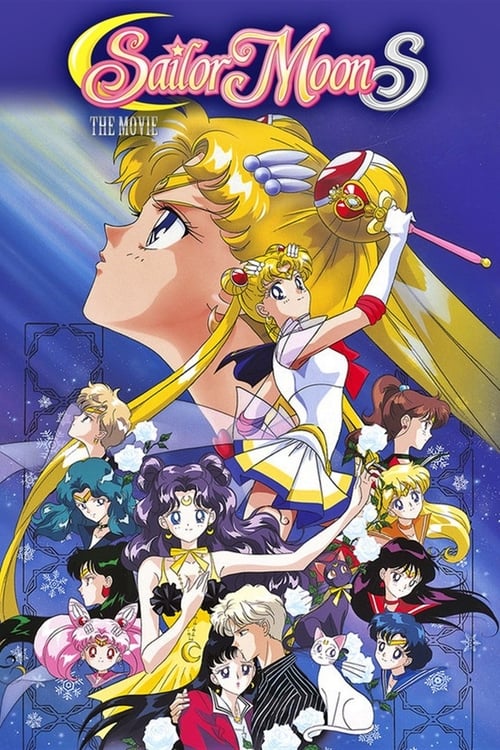
The film showcases a strong, stable romantic relationship between Haruka and Michiru, providing a nuanced portrayal of queer identity for its time. This relationship is central to the plot, offering a sophisticated depiction of non-traditional intimacy.
The narrative is driven by an all-female protagonist group who occupy heroic roles. These Guardians act as primary protectors, challenging the damsel in distress cliché. Their power comes from competence and magical abilities, not traditional gender roles.
The cast remains relatively homogeneous, reflecting the Tokyo setting and period genre conventions. While it avoids harmful racial stereotypes, the film lacks a multi-ethnic or color-blind casting approach.
The story emphasizes collective responsibility and interpersonal bonds over rigid institutional authority. The protagonists operate as a specialized unit addressing a supernatural crisis outside of conventional legal structures.
There is no explicit focus on visible or invisible disabilities within the main character arcs. Struggles center on physical exhaustion and the metaphysical toll of magical duties, rather than neurodivergence or physical impairment.
Present on Screen
Limited or Absent
Official Synopsis
As Usagi and her friends enjoy Christmas vacation, an unusual and fierce snowstorm hits town... The evil Snow Queen Kaguya has returned to claim Earth as her own. Crucial to Queen Kaguya's plan is a magical crystal from outer space, approaching Earth disguised as a comet. Once she gets hold of the crystal, she will have the power to suck away all life energy and cover the Earth in ice. Will Sailor Moon find the crystal before Queen Kaguya? Will her powers be enough to save the Earth from permanent winter? All hope lies with the Legendary Ultimate Scout Power!
1995
1993
2021
2005
1994
2018

2020
2010
No reviews yet. Be the first to share your thoughts on this movie!
Use the rating form above to leave a star rating and optional review.