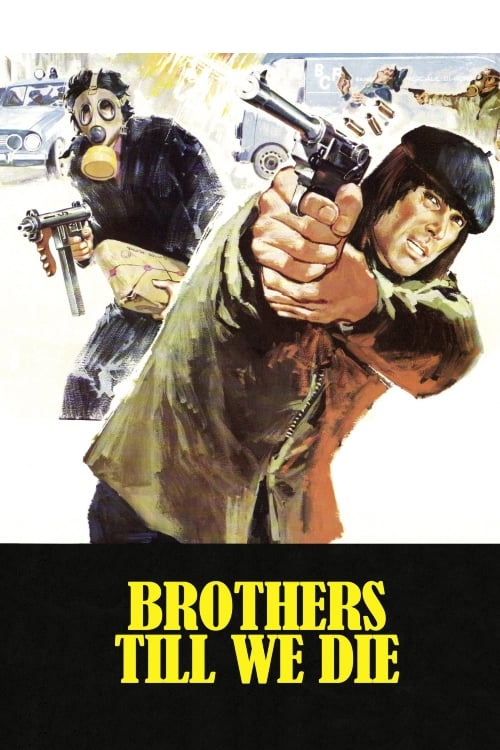
Brothers Till We Die
1977
No user ratings available yet
Representation score: 3.7 out of 10
Representation Score
Minimal
1980
Director
Fernando Di Leo
Runtime
89 minutes
Average Rating
No ratings yetNew Showbiz Analysis
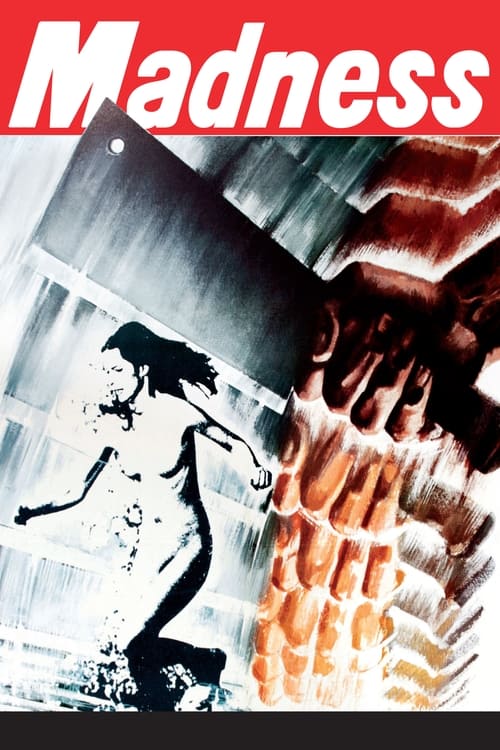
Madness is a typical genre piece that prioritizes visceral tension and human depravity over social complexity. It adheres to the nihilistic frameworks of 1980s Italian crime cinema, focusing on survival within a closed setting. The film reinforces traditional power dynamics rather than challenging them. By using archetypes of victimhood and aggression, it maintains conventional social hierarchies and a Eurocentric demographic focus. Ultimately, the creative direction serves the mechanics of the thriller genre. It offers little room for the multi-layered or progressive narrative structures found in more subversive works.
Category Breakdown
The film does not feature any LGBTQ+ characters or narratives. The story revolves around a traditional, dysfunctional heterosexual trio without any queer undertones.
Female characters are primarily portrayed as victims of violence and trauma. The narrative emphasizes traditional gender roles where women are passive recipients of male-driven aggression.
Casting is predominantly homogeneous, reflecting the regional focus of the poliziottesco genre. There is no significant evidence of diverse ethnicities or multi-layered casting.
The film presents a nihilistic view of human nature without critiquing institutions. It focuses on survival within a framework of moral relativism.
There are no identifiable portrayals of physical or neurodivergent disabilities. Characters are defined solely by their capacity for violence or victimhood.
Present on Screen
Limited or Absent
Official Synopsis
An escaped convicted murderer invades the cottage of a man, his wife and the wife's sister, whereupon he proceeds to torment this already dysfunctional trio with rape and violence.
1977

1975
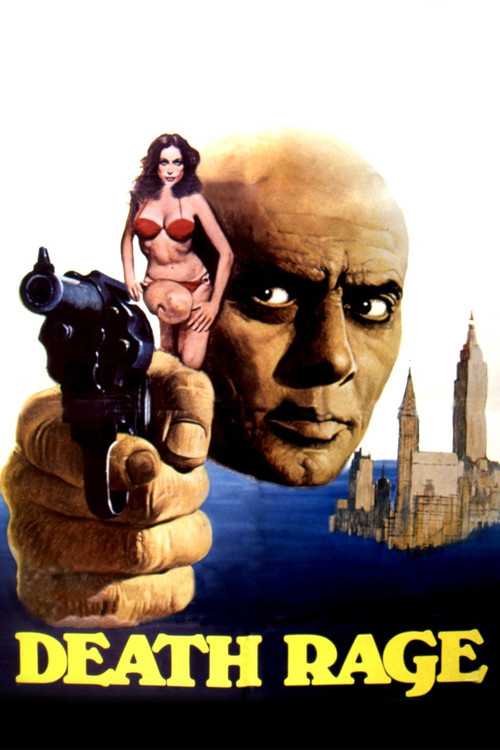
1976

1974
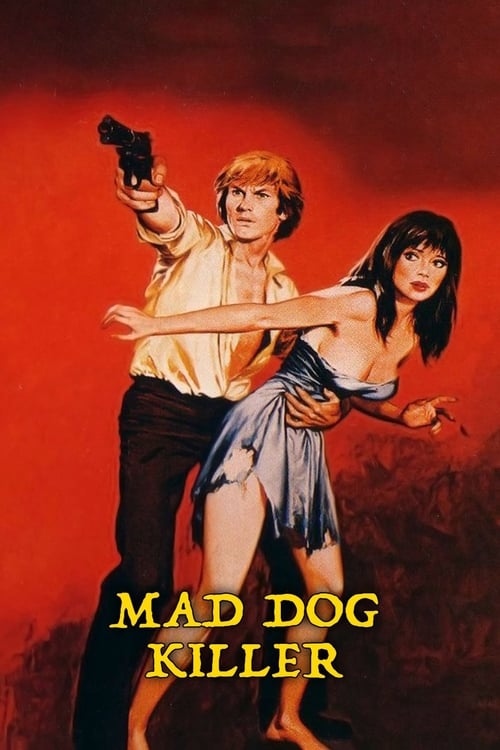
1977

1981

1981
1971
No reviews yet. Be the first to share your thoughts on this movie!
Use the rating form above to leave a star rating and optional review.