Find another title
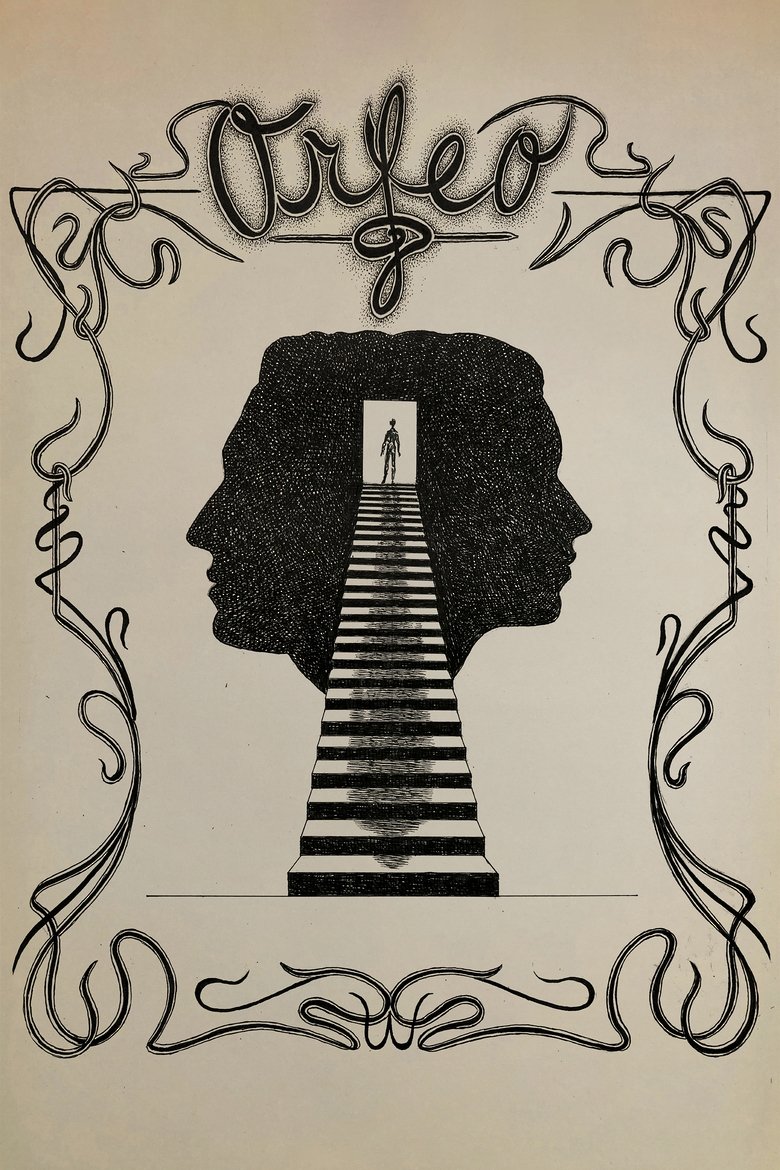
Orfeo
2025
Director
Virgilio Villoresi
Runtime
74 minutes
Average Rating
No ratings yetSynopsis
Since he was a child, Orpheus has imagined stories about an abandoned villa across the street from his house. A solitary and visionary pianist, during an evening at the Polypus — the club where he plays — he meets Eura’s gaze. An unconditional love blossoms between them, but she’s concealing a secret. Then she disappears. One evening, Orpheus sees her enter a small door on Via Saterna, in front of the villa. He follows her. Before the threshold, he encounters the Green Man, an enigmatic figure who seems to know the mysteries of that passageway. Once through the door, Orpheus enters a visionary afterlife...
Where to Watch
Diversity & Representation
Overall Score
Fair
Category Breakdown
LGBTQ+ Representation
The film emphasizes an unconditional love between Orpheus and Eura. While specific identities are not explicitly defined, the fantasy setting suggests a departure from standard heteronormative tropes.
Gender Representation
Eura serves as a central, enigmatic force rather than a passive romantic interest. Her secrets and agency drive the protagonist's journey through the afterlife.
Racial & Ethnic Diversity
The cast includes diverse names like Aomi Muyock, hinting at a multi-ethnic approach. The animated medium offers potential for casting that transcends traditional racial hierarchies.
Religious & Cultural Diversity
The narrative prioritizes metaphysical exploration and folklore over rigid institutional values. The presence of the Green Man suggests a focus on non-secular mystery.
Disability Representation
There is no mention of characters navigating physical, sensory, or neurodivergent experiences within the provided narrative.
Strengths
- Eura is depicted with agency and autonomy, driving the plot through her own mysteries.
- The fantasy setting allows for a departure from conventional, heteronormative romantic tropes.
- The narrative prioritizes spiritual and psychological exploration over rigid Western institutional values.
Areas for Improvement
- The film lacks explicit confirmation regarding the gender identities or sexual orientations of the protagonists.
- Specific details regarding the visual representation of racial and ethnic diversity remain unconfirmed.
- There is no visible representation of characters with physical or neurodivergent experiences.
AI Analysis
Orfeo utilizes the flexibility of animation to explore a visionary afterlife, moving beyond conventional social hierarchies. The story centers on emotional and metaphysical depth rather than traditionalist structures. While the film avoids standard romantic tropes through its focus on unconditional connection, it lacks explicit confirmation of non-cisnormative identities. The narrative architecture positions female agency at the heart of the mystery. Diversity is present through a multi-ethnic cast and a focus on folklore. However, the lack of information regarding disability representation and specific racial visuals limits the overall score.
Rate this Movie
Reviews
No reviews yet. Be the first to share your thoughts on this movie!
Use the rating form above to leave a star rating and optional review.