
Meet Joe Black
1998
No user ratings available yet
Representation score: 1.4 out of 10

Representation Score
Fair
1998
PG-13Director
Vincent Ward
Runtime
113 minutes
Average Rating
No ratings yetNew Showbiz Analysis
What Dreams May Come is visually stunning and explores the metaphysical realm. Its main strength is its philosophical approach to spirituality, which replaces rigid religious structures with a psychological, identity-focused model of the afterlife. However, the film lacks depth in representing different aspects of identity. It focuses heavily on traditional romantic relationships and a predominantly white cast, limiting its demographic reach. Despite its imaginative concept, the film does not aim to disrupt social or racial norms, resulting in a narrow social scope.
Category Breakdown
The film focuses solely on a heterosexual marriage and does not include any LGBTQ+ characters or queer subtext.
Annie plays a significant role in driving the story and makes tough decisions. The film includes conversations between women that don't revolve around men, passing the Bechdel test.
The cast is mostly white, with very few actors from diverse backgrounds. The film does not use race-bent casting to broaden its scope.
The film presents the afterlife as a personal experience rather than a structured religious belief system, promoting a subjective view of spirituality.
Mental health and psychological trauma are central to the plot via the depiction of suicide. However, these elements serve as narrative catalysts rather than nuanced explorations of neurodivergence.
Present on Screen
Limited or Absent
Official Synopsis
Chris Nielsen dies to find himself in a heaven more amazing than he could have ever dreamed of. There is one thing missing: his wife. After he died, his wife Annie killed herself and went to hell. Chris decides to risk eternity in Hades for the small chance that he will be able to bring her back to heaven.
1998
1943

2007
1991

2020
1946
2004
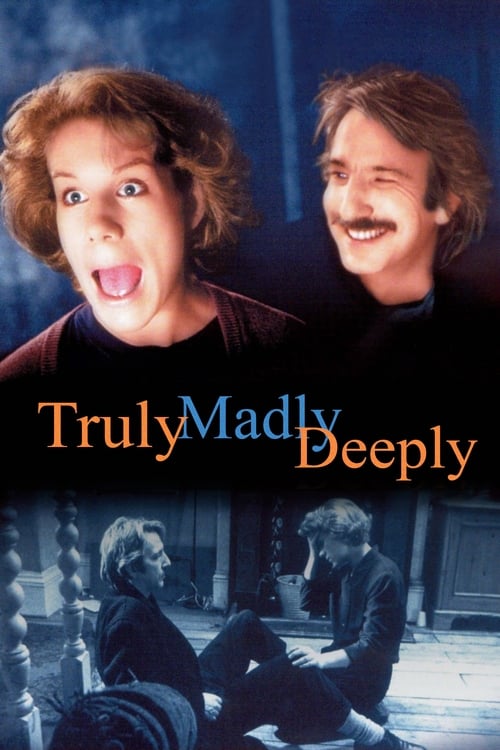
1991
No reviews yet. Be the first to share your thoughts on this movie!
Use the rating form above to leave a star rating and optional review.