
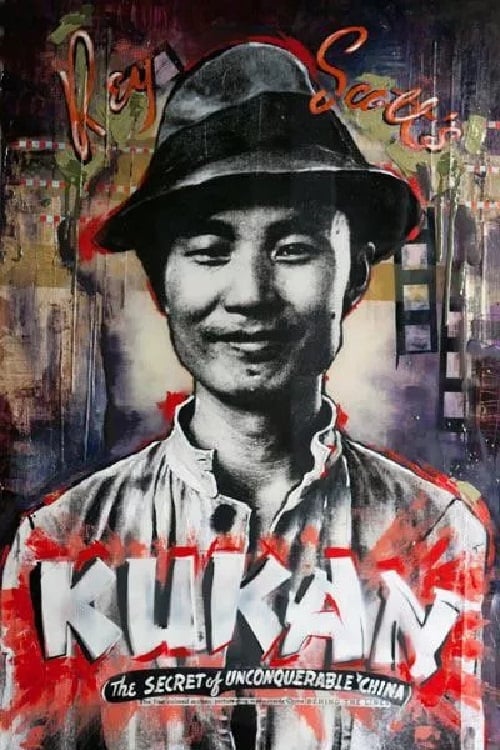
Inside Fighting China
1942
No user ratings available yet
Representation score: 1.7 out of 10
Representation Score
Limited
1941
ApprovedDirector
Rey Scott
Runtime
62 minutes
Average Rating
No ratings yetNew Showbiz Analysis
Kukan: The Battle Cry of China stands as a significant historical document that shifts the cinematic lens away from Western-centric perspectives. By centering the Chinese struggle during the Sino-Japanese War, it provides rare visibility to a non-Western population through a lens of high ability to act. However, the film is constrained by the social norms of its era. It lacks complexity regarding gender and identity, with women largely relegated to traditional roles of survival rather than leadership. Ultimately, the film's strength lies in its ethnographic and journalistic value. It captures a non-Western national struggle with a level of authenticity that was uncommon in 1940s Hollywood productions.
Category Breakdown
The film does not include any LGBTQ+ characters or narratives. It focuses on the military and civilian struggles within the social structures of 1941.
Women appear primarily in auxiliary support roles or as part of the civilian population. They are depicted through the lens of domestic endurance rather than as primary military agents.
The documentary centers the Chinese experience, providing significant visibility to a non-Western population. It highlights the ability to act and resilience of the Chinese people, disrupting the Western-centric perspective.
The narrative is anchored in traditional wartime values of patriotism and national unity. It portrays a systemic struggle against an invading force during a period of intense conflict.
There is insufficient evidence to evaluate the depiction of specific disabilities. The film's focus remains on large-scale military and civilian conflict.
Present on Screen
Limited or Absent
Official Synopsis
Rey Scott received an Honorary Academy Award for this documentary "for his extraordinary achievement in producing Kukan, the film record of China's struggle, including its photography with a 16mm camera under the most difficult and dangerous conditions." Producer David O. Selznick thought so much of it, that he distributed KUKAN in 35mm, even after the film had already had an extensive run in 16mm.
1942

1935
1939
1938
1944
1987
1940
2011
No reviews yet. Be the first to share your thoughts on this movie!
Use the rating form above to leave a star rating and optional review.