Forgotten Light
1996
No user ratings available yet
Representation score: 3.9 out of 10
Representation Score
Good
1976
Director
Vojtěch Jasný
Runtime
111 minutes
Average Rating
No ratings yetNew Showbiz Analysis
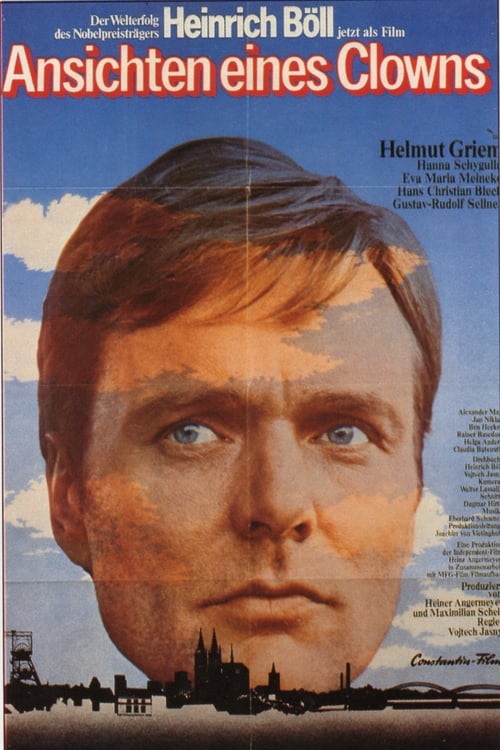
The film is a sophisticated critique of mid-century institutional power, focusing on the intersection of religious and post-war social reconstruction. It uses a underrepresented protagonist to expose systemic flaws in the West German establishment. While it excels at subverting cultural and religious hierarchies, it lacks demographic breadth. The narrative prioritizes ideological deconstruction over racial or disability-centric representation.
Category Breakdown
The film examines LGBTQ identity through the protagonist's alienation from religious and straight-centered expectations. It positions his 'otherness' as a source of critical insight, challenging social hierarchies.
Gender power dynamics are explored through maternal influence and post-war domestic structures. The narrative avoids stable domestic clichés, portraying familial roles as sites of psychological tension.
The cast is largely homogeneous, reflecting the specific historical context of post-WWII Bonn. The narrative focuses on class and religion rather than ethnic diversity.
The film provides a deep critique of the Catholic Church as an oppressive force. It deconstructs the sanctity of traditional family and religious authority to expose systemic hypocrisy.
The clown archetype is used metaphorically to explore isolation and social eccentricity. However, the film lacks characters with recognized disabilities who have meaningful roles.
Present on Screen
Limited or Absent
Official Synopsis
Based on the best-selling novel by Nobel-laureate Heinrich Böll, this drama is a passionate indictment of Catholicism. Hans Schnier (Helmut Griem) has earned his living as a clown, though he is in fact a very covert sort of social critic. After enduring a difficult childhood in Bonn during the Second World War, including his mother's fanatic Nazism, he is appalled to discover many of the people he knows and loves swept deeply into involvement in the Catholic Church.
1996
1951
1978
1969
1969

1943
2011

1996
No reviews yet. Be the first to share your thoughts on this movie!
Use the rating form above to leave a star rating and optional review.