Aogeba Tôtoshi
2006
No user ratings available yet
Representation score: 6.9 out of 10
Representation Score
Good
1993
Director
Jun Ichikawa
Runtime
100 minutes
Average Rating
No ratings yetNew Showbiz Analysis
Jun Ichikawa’s documentary-style approach offers a stark, minimalist look at the reality of terminal illness. By avoiding romanticized or religious depictions of death, the film provides a unique, secular critique of institutionalized mortality. While the film lacks explicit markers of diverse identities like LGBTQ+ characters or multi-ethnic casting, it finds strength in its observational dignity. It treats patients as individuals with presence rather than objects of pity. Ultimately, the work succeeds as a systemic study of isolation. It deconstructs the sanctity of the dying process, focusing instead on the sterile, dismal reality of the hospital environment.
Category Breakdown
The film does not include explicit LGBTQ+ character stories or non-cisgender identities. Instead, it focuses on universal themes of mortality and existence.
The film presents a range of characters likely reflecting a balanced mix of genders. However, it emphasizes biological realities rather than challenging gender hierarchies or power dynamics.
Set in a Japanese hospital, the cast is probably ethnically uniform. This reflects the specific setting but does not blend diverse racial identities.
The film demonstrates high secularism by removing religious rituals and idealized views of death. It portrays the hospital as a cold, isolating place that critiques how modern systems handle mortality.
The documentary style gives real power to those in states of extreme physical vulnerability. It treats chronic illness as a lived experience rather than using disability as a mere plot device.
Present on Screen
Limited or Absent
Official Synopsis
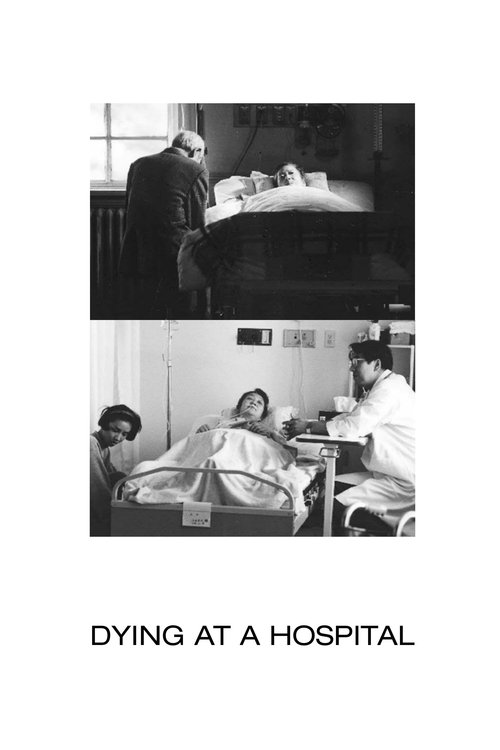
Filmed in a documentary style, six patients in six wards of different ages and circumstances await death at a hospital in Japan. The sterile and dismal environment is contrasted against the emotional being of the patients, their visitors and relatives and the outside world, which they will never again survey.
2006
1970

2010
1980

1980

2001
2005
1978
No reviews yet. Be the first to share your thoughts on this movie!
Use the rating form above to leave a star rating and optional review.