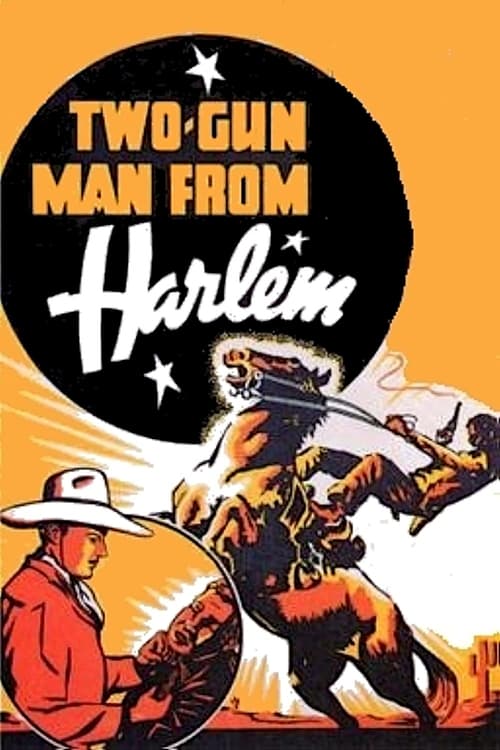
Two-Gun Man from Harlem
1938
No user ratings available yet
Representation score: 1.9 out of 10
Representation Score
Minimal
1938
APPROVEDDirector
Sam Nelson
Runtime
56 minutes
Average Rating
No ratings yetNew Showbiz Analysis
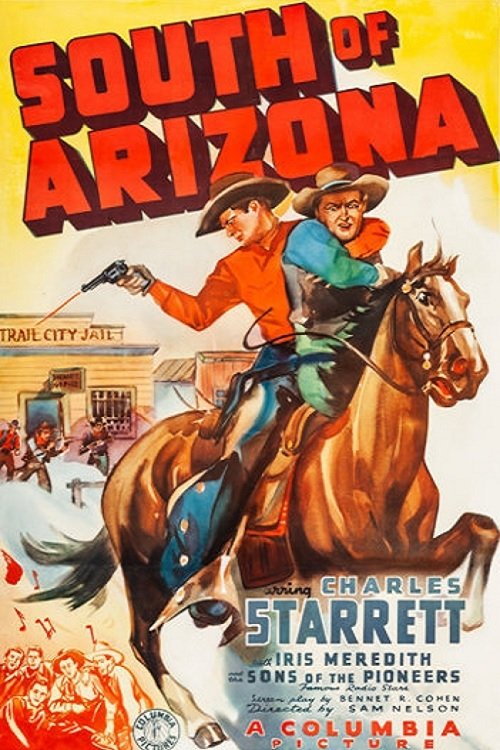
South of Arizona is a conventional 1938 Western that adheres strictly to the genre clichés of its era. The narrative is driven by a male-centric conflict involving identity theft, law enforcement, and the pursuit of truth. The film lacks complexity, offering no significant representation of LGBTQ+ identities, diverse racial groups, or women's ability to drive the story. It functions as a standard moral drama within a traditional Western framework. Ultimately, the production reflects the social and narrative constraints of the late 1930s, prioritizing established masculine leadership roles and institutional values over diverse perspectives.
Category Breakdown
The film lacks LGBTQ+ characters or narratives that challenge the assumption that everyone is straight or cisgender. It follows a traditional masculine plot centered on identity theft and law enforcement.
The story focuses exclusively on male protagonists and their struggle for control. There is no evidence of women taking a leading role or challenging gender hierarchies.
The film likely adheres to the homogeneous casting norms of 1938. It lacks specific evidence of non-white characters or diverse ethnic representation.
The plot centers on restoring legal order and traditional Western institutional values. It lacks secularist or anti-Western themes, focusing instead on the legitimacy of authority.
There is no mention of characters with visible or invisible disabilities in the narrative.
Present on Screen
Limited or Absent
Official Synopsis
Kenyon has the newly arriving Ranger shot and his man Martin assume the Ranger's identity. Clay finds the Ranger before he dies and learns the truth. But when Clay confronts Martin, Martin convinces the townspeople he is a real Ranger and Clay is the murderer. Clay escapes and must now find a way to expose Martin as a fake.
1938
1943
1934
1938

1942

1943
1943
1937
No reviews yet. Be the first to share your thoughts on this movie!
Use the rating form above to leave a star rating and optional review.