
We Were Here
2011
No user ratings available yet
Representation score: 9.4 out of 10
Representation Score
Excellent
2018
TV-14Director
Jenny Mackenzie, Amanda Stoddard, Jared Ruga
Runtime
68 minutes
Average Rating
No ratings yetNew Showbiz Analysis
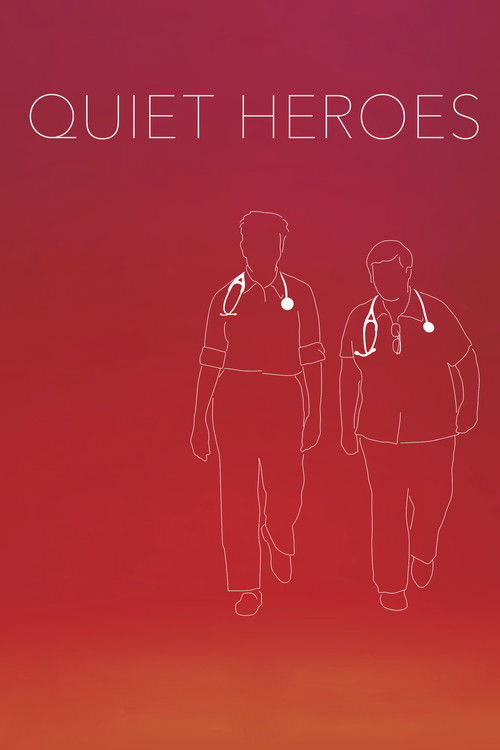
Quiet Heroes is a compelling look at how local religious norms affect access to healthcare. The film centers on a female professional who acts as a key protector for a community facing institutional neglect. While the documentary provides a strong critique of religious influence on public welfare, it focuses on ideological identity. This focus offers deep insights into queer life during the AIDS epidemic but does not fully explore racial the way different parts of someone's identity overlap. Ultimately, the film is a powerful narrative of personal empowerment. It challenges traditional power structures by emphasizing the importance of individual medical leadership in the face of societal resistance.
Category Breakdown
The film focuses on a community affected by the AIDS crisis, highlighting queer identities. It challenges traditional healthcare portrayals by showing a community largely ignored by society.
A female doctor drives the plot, acting as the main force against institutional neglect. She subverts traditional gender roles by being the sole competent leader in a story where she faces systemic failures.
The narrative emphasizes religious and social identity rather than racial tensions. The conflict revolves around a regional monoculture, rather than diverse ethnic backgrounds.
The documentary criticizes how a conservative religious culture hinders public health efforts. It highlights the tension between strict religious beliefs and the needs of a underrepresented community.
The film examines the physical challenges faced during the AIDS crisis through medical advocacy. It portrays individuals fighting for control within a healthcare system, but does not specifically address neurodivergent issues.
Present on Screen
Limited or Absent
Official Synopsis
In Salt Lake City, Utah, the socially conservative religious monoculture complicated the AIDS crisis, where patients in the entire state and intermountain region relied on only one doctor. This is the story of her fight to save a maligned population everyone else seemed willing to just let die.
2011
2021
2018
1984

1990
2022
2013

1993
No reviews yet. Be the first to share your thoughts on this movie!
Use the rating form above to leave a star rating and optional review.