
Who Cares: The Duane Peters Story
2005
No user ratings available yet
Representation score: 5.3 out of 10
Representation Score
Good
2017
TV-MADirector
Patrick O'Dell
Runtime
79 minutes
Average Rating
No ratings yetNew Showbiz Analysis
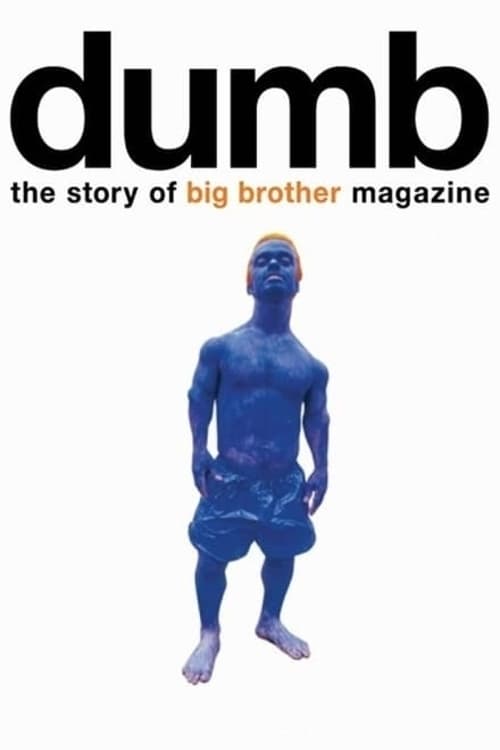
Dumb: The Story of Big Brother Magazine is a significant piece of queer historiography. It excels by documenting LGBTQ+ identity construction and disrupting straight-centered media standards through a historical lens. The film's primary strength lies in its deep dive into gay male subculture. It treats the magazine's unfiltered approach as a legitimate site of identity construction rather than mere controversy. However, the documentary is limited by its era-specific focus. The lack of gender diversity and the moderate racial representation reflect the social constraints of the mid-90s niche it examines.
Category Breakdown
The film serves as a vital historical record of queer media. It focuses on a publication created by and for gay men, exploring the nuances of male subculture and intimacy.
The narrative is inherently male-centric, focusing on social hierarchies within the gay community. It deconstructs traditional masculinity but lacks female or non-binary perspectives.
Representation of racial and ethnic diversity appears moderate. The film reflects the specific demographics and social constraints of the mid-90s gay media era.
The documentary explores subcultures operating on the fringes of mainstream legality. It examines the intersection of capitalism, sexuality, and identity formation outside traditional norms.
There is no evidence provided to assess the portrayal of physical or neurodivergent disabilities within this documentary.
Present on Screen
Limited or Absent
Official Synopsis
A look at the rise and fall of the subversive skateboarding magazine Big Brother, which rose to prominence in the mid-1990s and had a profound effect on the skating subculture with its unfiltered approach.
2005

2013
2003
1981

2014
2002
2012

2020
No reviews yet. Be the first to share your thoughts on this movie!
Use the rating form above to leave a star rating and optional review.