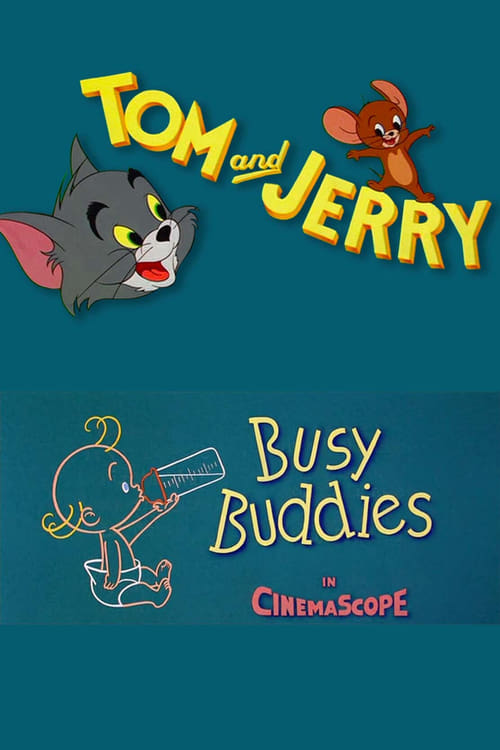
Busy Buddies
1956
No user ratings available yet
Representation score: 0.4 out of 10
Representation Score
Minimal
1952
NRDirector
Joseph Barbera, William Hanna
Runtime
7 minutes
Average Rating
No ratings yetNew Showbiz Analysis
Triplet Trouble is a product of its time, emphasizing slapstick humor and traditional social structures over complex diversity. The narrative relies on mid-century archetypes that reinforce conventional domestic and gender roles. The film lacks representation of LGBTQ+ identities and disabilities. While it includes a maternal figure and a male caretaker, these roles align with traditional gender expectations of the 1950s. Additionally, the use of specific character names suggests a reliance on historical racial stereotypes. The overall structure adheres to a conservative comedic framework that upholds social norms.
Category Breakdown
The story revolves around a caretaker and a maternal figure in a domestic setting. It does not include any non-traditional gender identities or same-sex relationships.
The film portrays traditional gender roles typical of the mid-20th century, where a woman manages household tasks and a man takes care of children.
The character named 'Mammy' reflects a reliance on historical racial stereotypes common in 1952 animation. This name often indicates specific racialized clichés.
The story emphasizes traditional Western domestic life and the importance of household order. The conflict between mischief and obedience is framed within a conservative comedic context.
Characters are depicted as standard comedic figures without any visible or invisible disabilities.
Present on Screen
Limited or Absent
Official Synopsis
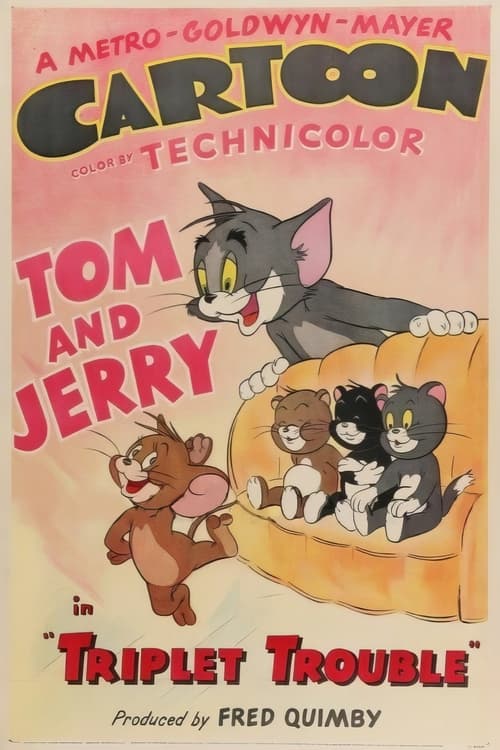
Someone drops off three cute little kittens; Tom is put in charge of them while Mammy goes shopping. But behind her back, the three little angels are real devils.
1956
1957

1943

1954
1943
1960
1948
1942
No reviews yet. Be the first to share your thoughts on this movie!
Use the rating form above to leave a star rating and optional review.