Copper Sky
1957
No user ratings available yet
Representation score: 2.0 out of 10
Representation Score
Good
1973
RDirector
Don Chaffey
Runtime
107 minutes
Average Rating
No ratings yetNew Showbiz Analysis
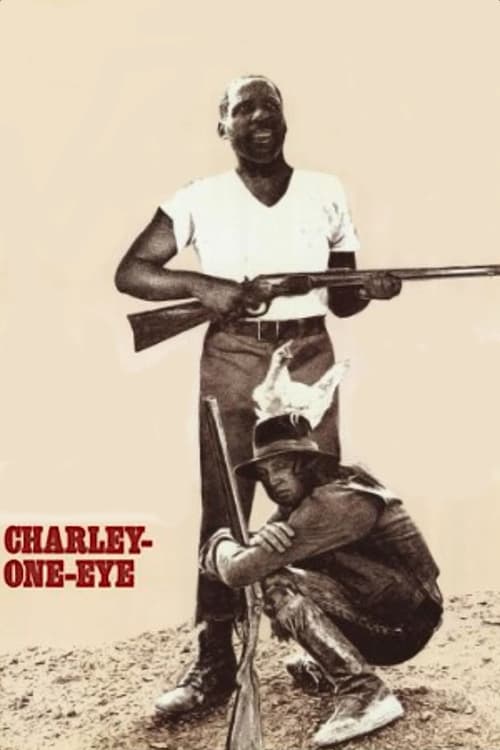
Charley One-Eye stands out from typical Westerns by focusing on a Black deserter and an American Indian hostage. This shift moves away from the traditional Anglo-centric hero towards a story of multi-layered survival. The film uses its setting to critique systemic oppression, presenting state authority and racist bounty hunters as antagonists. This adds a layer of social commentary often missing from the genre's more idealized portrayals. However, the film remains confined by a strong emphasis on masculine struggle. It lacks female characters with significant influence and does not address LGBTQ+ identities or narratives.
Category Breakdown
The film does not include any LGBTQ+ characters or stories about non-straight identities. It focuses on survival within a traditional gender framework.
The story revolves around a male-dominated survival situation involving a deserter and a hostage. There are no female characters with significant influence or challenges to gender hierarchies.
The film challenges Western stereotypes by placing a Black Union Army deserter and an American Indian character in central roles. This shifts the focus from the usual white-dominated narratives.
The movie critiques traditional institutions by portraying the social order and bounty hunters as antagonists. It rejects the idea of a 'civilizing' mission common in period Westerns.
An American Indian character with a disability plays a key role, offering rare visibility for disability in 1970s Westerns. His involvement as a main partner highlights his importance in the story.
Present on Screen
Limited or Absent
Official Synopsis
A black Union Army deserter and his crippled American Indian hostage form a strained partnership in the interests of surviving the advancing threats of a racist bounty hunter and neighboring bandits.
1957
1966
1956
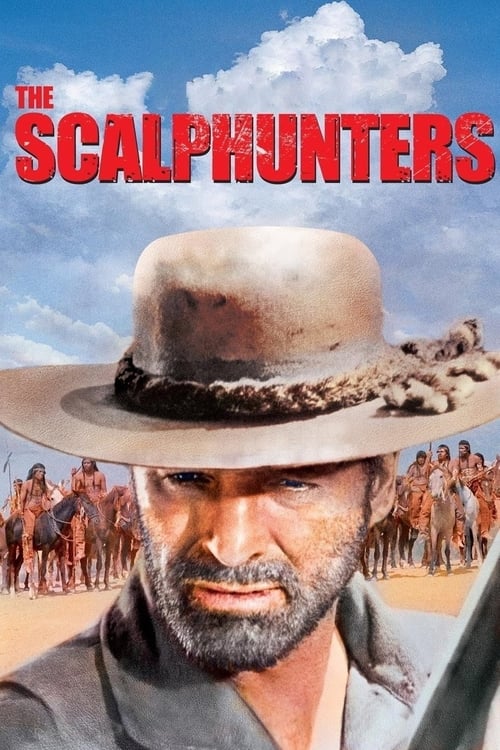
1968

1970
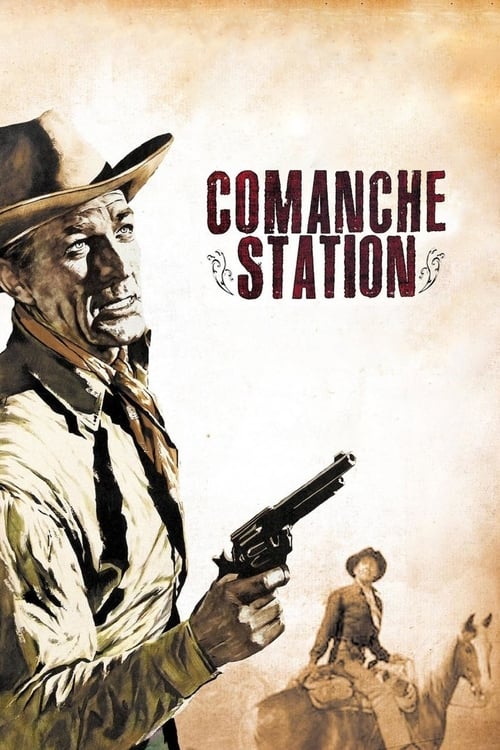
1960
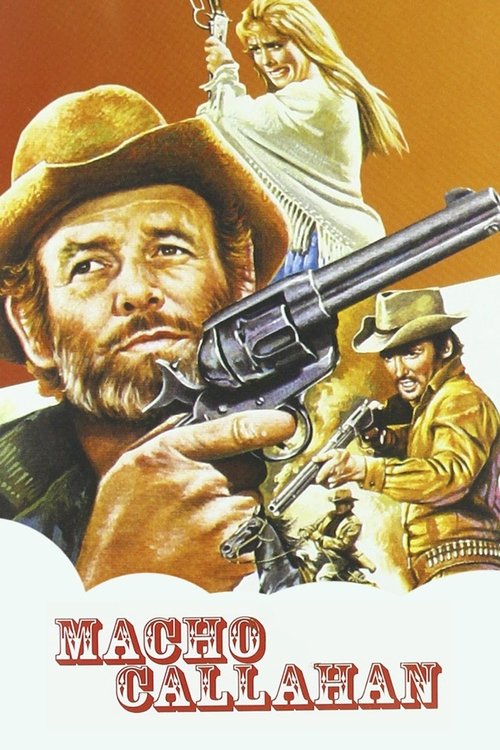
1971
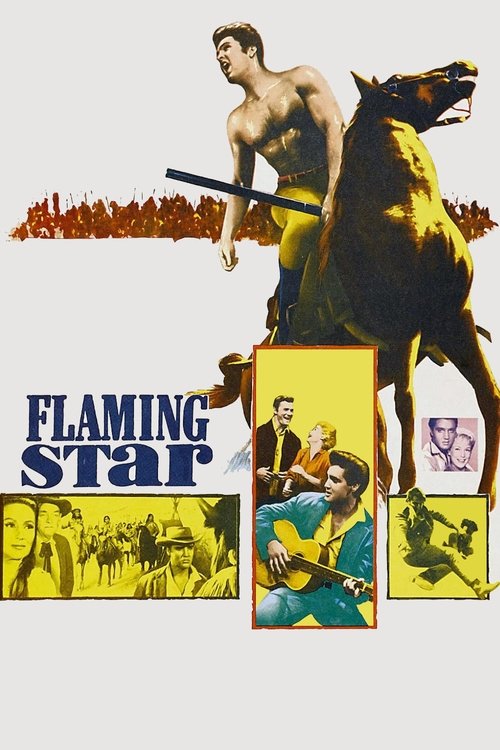
1960
No reviews yet. Be the first to share your thoughts on this movie!
Use the rating form above to leave a star rating and optional review.