Cuentos inmorales
1978
No user ratings available yet
Representation score: 5.3 out of 10
Representation Score
Fair
2003
PG-13Director
Francisco J. Lombardi
Runtime
150 minutes
Average Rating
No ratings yetNew Showbiz Analysis
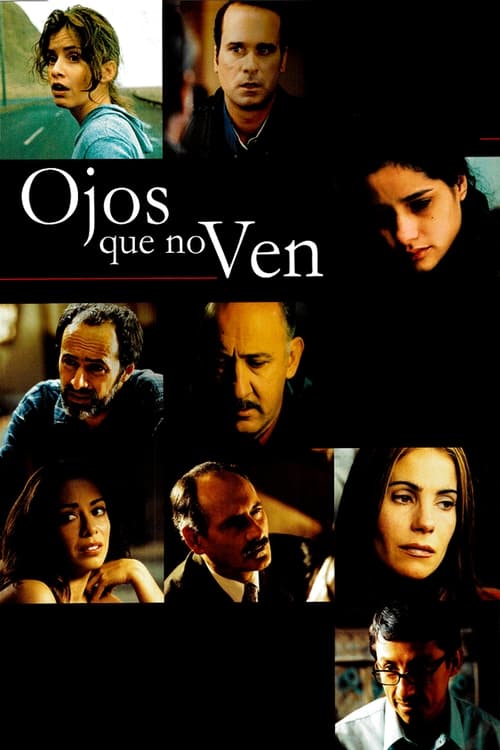
Francisco J. Lombardi’s film is a sophisticated study of systemic decay in 1990s Peru. By using six parallel stories, the film avoids a singular hero to instead provide a fragmented, systemic view of a society undergoing moral erosion. The work excels at cultural and ethnic representation by grounding its narrative in the complex socioeconomic and regional realities of Peru. It challenges traditional national narratives by portraying state institutions as inherently corrupt rather than stable. However, the film's focus on broad political and class-based struggles results in a lack of visibility for LGBTQ+ identities and specific disability representation. The narrative structure prioritizes institutional critique over individual identity-based explorations.
Category Breakdown
The film does not include explicit LGBTQ+ character arcs or explore non-straight relationships. It focuses more on political and class struggles than on identity-based explorations of orientation.
The narrative centers on the moral breakdown of a nation and its government. While specific gender dynamics are not clearly defined, the critique targets traditional patriarchal leadership structures.
The film highlights the Peruvian experience by providing a platform for diverse Andean and coastal identities. It examines how ethnicity intersects with socioeconomic status across various classes.
The film delves deeply into anti-institutional themes. It critiques centralized power and traditional state institutions through a sociopolitical lens of systemic corruption.
There is no information regarding the inclusion of characters with physical or neurodivergent disabilities.
Present on Screen
Limited or Absent
Official Synopsis
Through out six different and yet parallel stories that take place during the corrupted goverment during the 90s in Peru, Lombardi tells the moral decomposition that ran through all classes and generations of the peruvian society.
1978
1985

2006

1964
2014
1977

2013
2010
No reviews yet. Be the first to share your thoughts on this movie!
Use the rating form above to leave a star rating and optional review.