Heli
2013
No user ratings available yet
Representation score: 5.9 out of 10
Representation Score
Fair
2013
Director
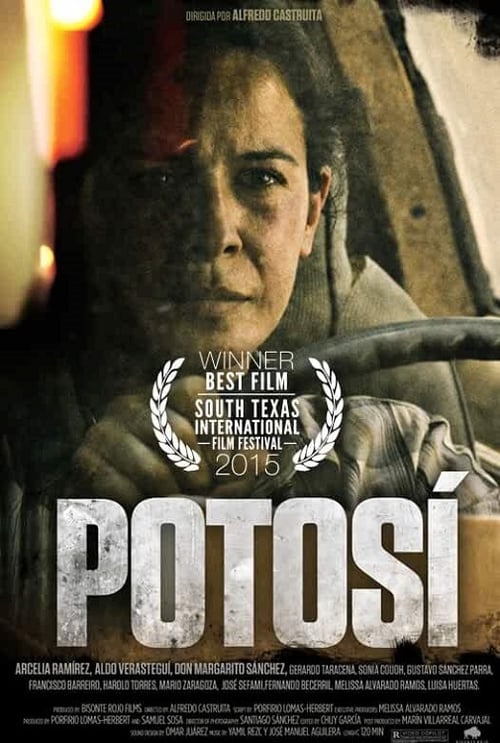
Alfredo Castruita
Runtime
120 minutes
Average Rating
No ratings yetNew Showbiz Analysis
Potosí is a work of social realism that prioritizes regional ethnic identity and critiques systemic violence. It succeeds in presenting an unvarnished view of Latin American social dynamics, focusing on local ability to act rather than external perspectives. The film's primary strength lies in its authentic portrayal of a rural community caught in the crossfire of organized crime. By centering local struggles, it avoids the pitfalls of a sanitized or Westernized lens. However, the film remains limited by its conventional approach to gender and identity. It lacks engagement with LGBTQ+ narratives and does not address disability, focusing instead on traditional familial and protector archetypes.
Category Breakdown
The film does not include any explicit references to LGBTQ+ characters or non-straight relationships. The story focuses on traditional family conflicts and domestic violence, which suggests a conventional approach to character dynamics.
A woman dealing with domestic violence provides meaningful representation and plays a significant role in driving the story. However, the film also relies on traditional gender roles, such as the male peasant who acts as a family protector.
The film excels by centering a Latin American rural community. It avoids a Western perspective by focusing on the internal socio-political struggles and authentic regional identities of its local characters.
The story offers a nuanced critique of social order, portraying the state and organized crime as forces of devastation. It views institutional presence as a source of instability for the community.
There is no mention of characters with visible or invisible disabilities within the narrative.
Present on Screen
Limited or Absent
Official Synopsis
Potosi, a rural town in Latin America, is the crossfire of the ravaging that has devastated the north of the country. An accident along a deserted road connects three stories, an 82 year old goat herder that has not shot his gun in 40 years, a woman who is a victim of domestic violence and a humble peasant living on guard to protect his family from the country’s war against organized crime.
2013
2000
2008
2015
2009
1982
2022
1990
No reviews yet. Be the first to share your thoughts on this movie!
Use the rating form above to leave a star rating and optional review.