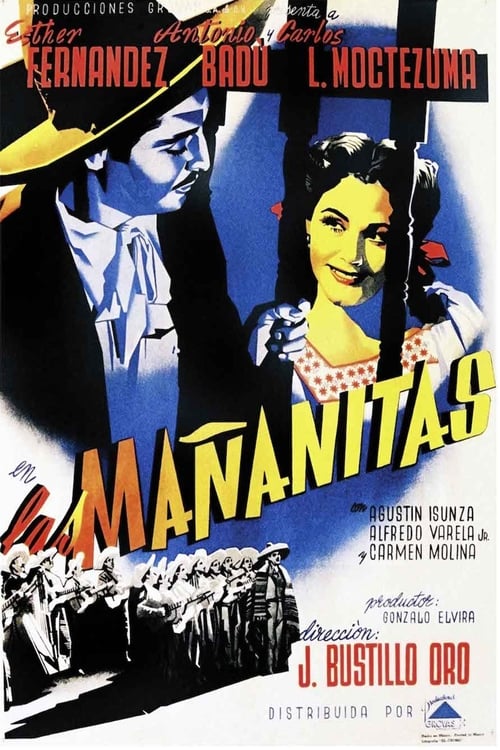
Las mañanitas
1948
No user ratings available yet
Representation score: 3.6 out of 10
Representation Score
Limited
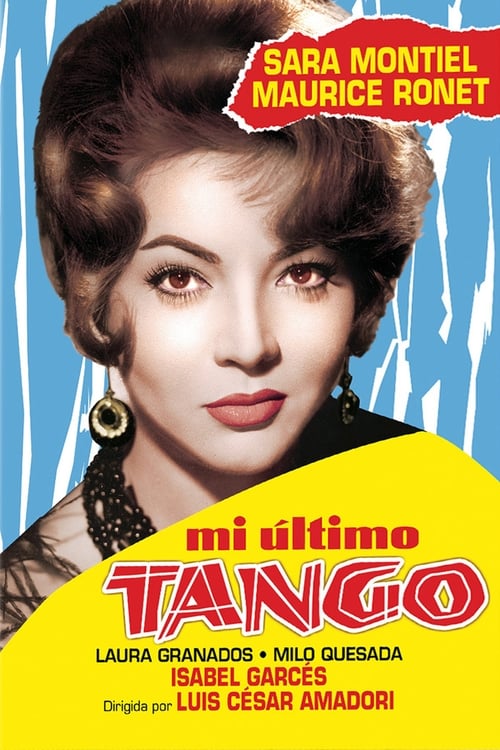
1960
Director
Luis César Amadori
Runtime
122 minutes
Average Rating
No ratings yetNew Showbiz Analysis
Mi último tango serves as a cultural artifact celebrating Argentine musical heritage. It prioritizes the spectacle of tango and traditional narrative structures over social deconstruction. The film's strength lies in its localized, non-Anglo-centric perspective, showcasing Buenos Aires' cultural richness. It provides a meaningful look at Latin American artistic traditions through a mid-century lens. However, the work remains rooted in the social hierarchies of 1960, relying on conventional clichés and lacking the multi-layered complexity or systemic critique found in more modern, progressive cinema.
Category Breakdown
The film follows traditional standards of courtship and dance, without challenging traditional gender roles or representing diverse gender identities.
The plot relies on traditional gender stereotypes and a mistaken identity cliché. The tango's lead-and-follow structure reinforces conventional gender roles.
The film offers a localized, non-Anglo-centric view of Argentine identity. However, it does not blend modern progressive casting practices or diverse perspectives.
This film celebrates nationalistic heritage and the tango as a cultural cornerstone. It emphasizes traditionalism and the preservation of established artistic traditions.
The narrative focuses on high-level dance and music performance, prioritizing able-bodied physical skills over representation of disabilities or neurodivergence.
Present on Screen
Limited or Absent
Official Synopsis
A young woman working as a maid for a big time stage performer is mistaken for the star in Buenos Aires and becomes a great success in the land of the tango.
1948

2010
1998
1949

1985
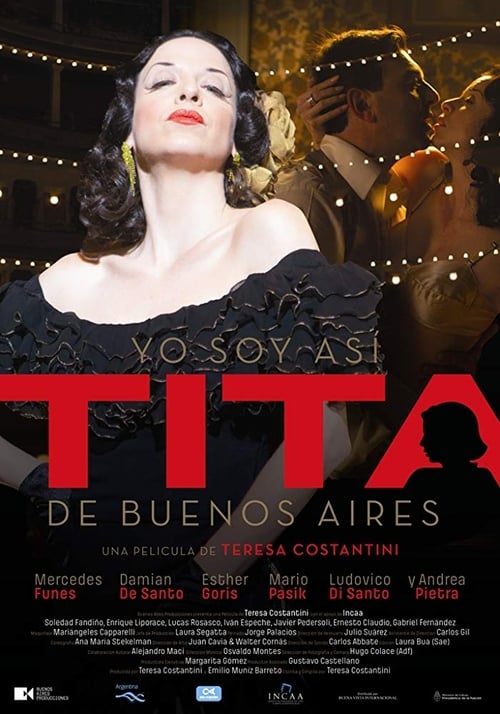
2017
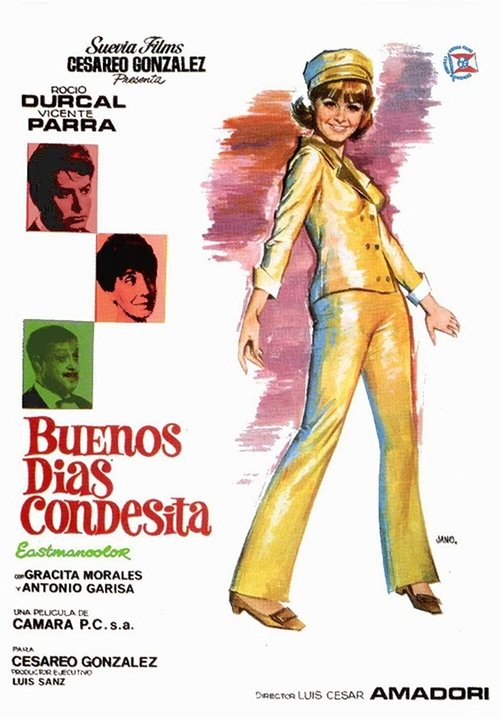
1967

1939
No reviews yet. Be the first to share your thoughts on this movie!
Use the rating form above to leave a star rating and optional review.