
Gainsbourg: A Heroic Life
2010
No user ratings available yet
Representation score: 6.1 out of 10
Representation Score
Limited
2011
Director
Pyotr Buslov
Runtime
127 minutes
Average Rating
No ratings yetNew Showbiz Analysis
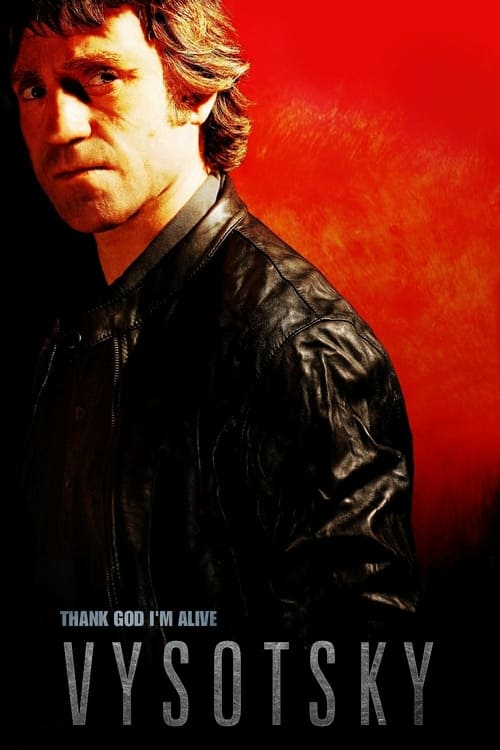
The film serves as a historical tribute to Vladimir Vysotsky, focusing on his struggle for creative freedom against Soviet systemic constraints. It functions as a study of an individual's life within a highly homogeneous social framework. While the documentary offers a strong critique of institutional oppression and state censorship, it lacks diversity in terms of race, ethnicity, and LGBTQ+ identities. The narrative is deeply rooted in the specific, monolithic demographic of the mid-20th-century Soviet intelligentsia. Ultimately, the work prioritizes the preservation of a specific cultural legacy over the inclusion of diverse identities, resulting in a narrow but historically focused perspective.
Category Breakdown
The film focuses on Vysotsky's documented relationships with women. There is no evidence of queer narratives or non-binary gender identities within the archival material.
The documentary depicts traditional gender roles of the 1960s and 70s. It explores the complexities of domestic life but reinforces the archetype of the singular male figure.
The film centers on a white ethnic Russian subject. The archival footage reflects the demographic homogeneity of the Moscow intelligentsia during the Soviet era.
The narrative critiques state-controlled institutions and Soviet censorship. It positions the artist's personal authenticity against the rigidity of the centralized state apparatus.
There is no discernible focus on neurodivergence or physical disability. The film prioritizes professional and romantic milestones over the exploration of health conditions.
Present on Screen
Limited or Absent
Official Synopsis
Russian poet, singer and actor Vladimir Vysotsky was an idol of the 1970s and ’80s. In 1980, at the age of 42, he passed away during the Moscow Olympic Games. This is the story of his last great love as handed down to his son from a family friend. Written by nitorch.
2010
1969
1973
2007
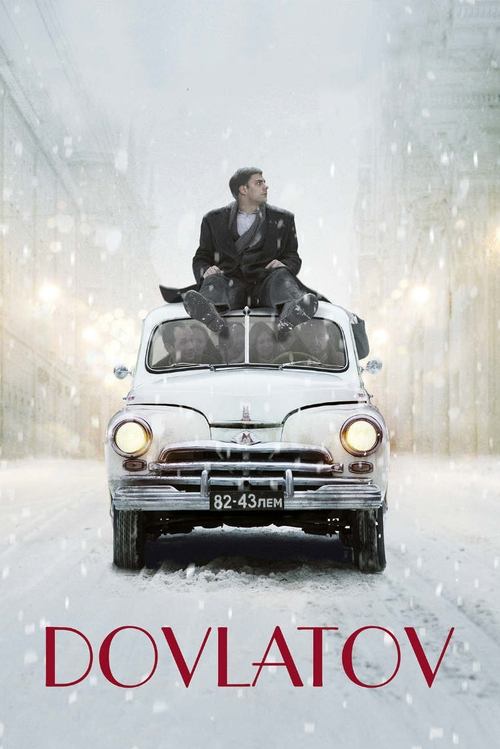
2018
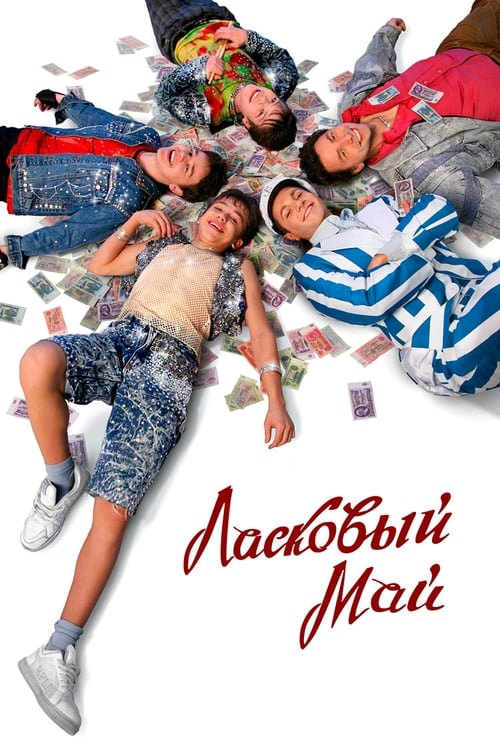
2009
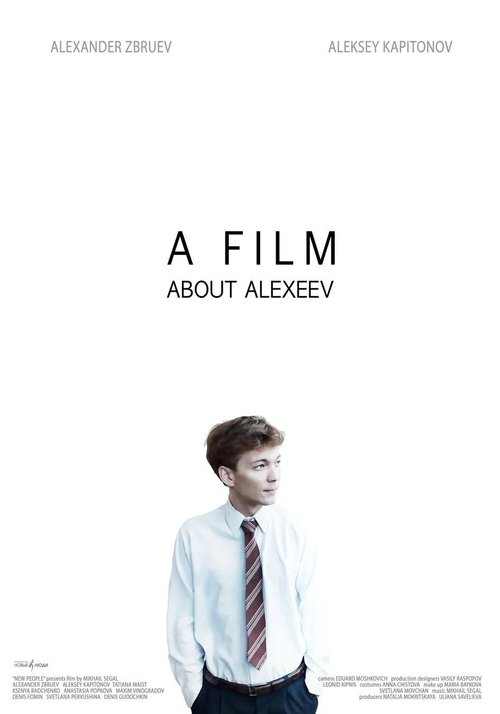
2014
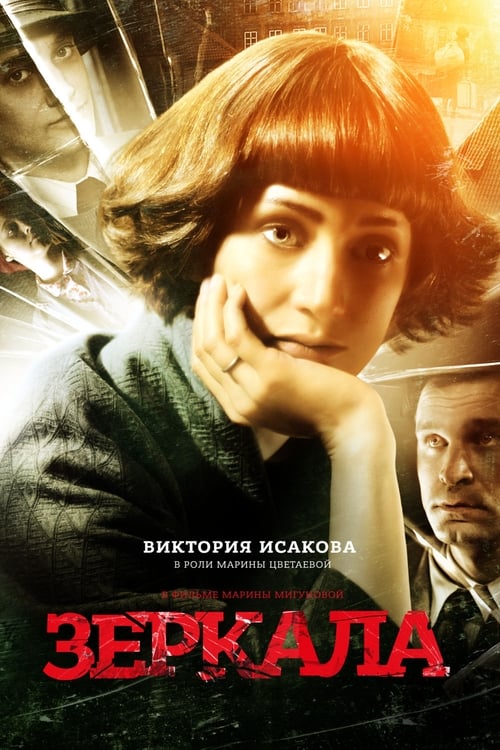
2014
No reviews yet. Be the first to share your thoughts on this movie!
Use the rating form above to leave a star rating and optional review.