
The Stroll
2003
No user ratings available yet
Diversity score: 4.6 out of 10
2020
Director
Alexey Uchitel
Runtime
98 minutes
Average Rating
No ratings yetSynopsis
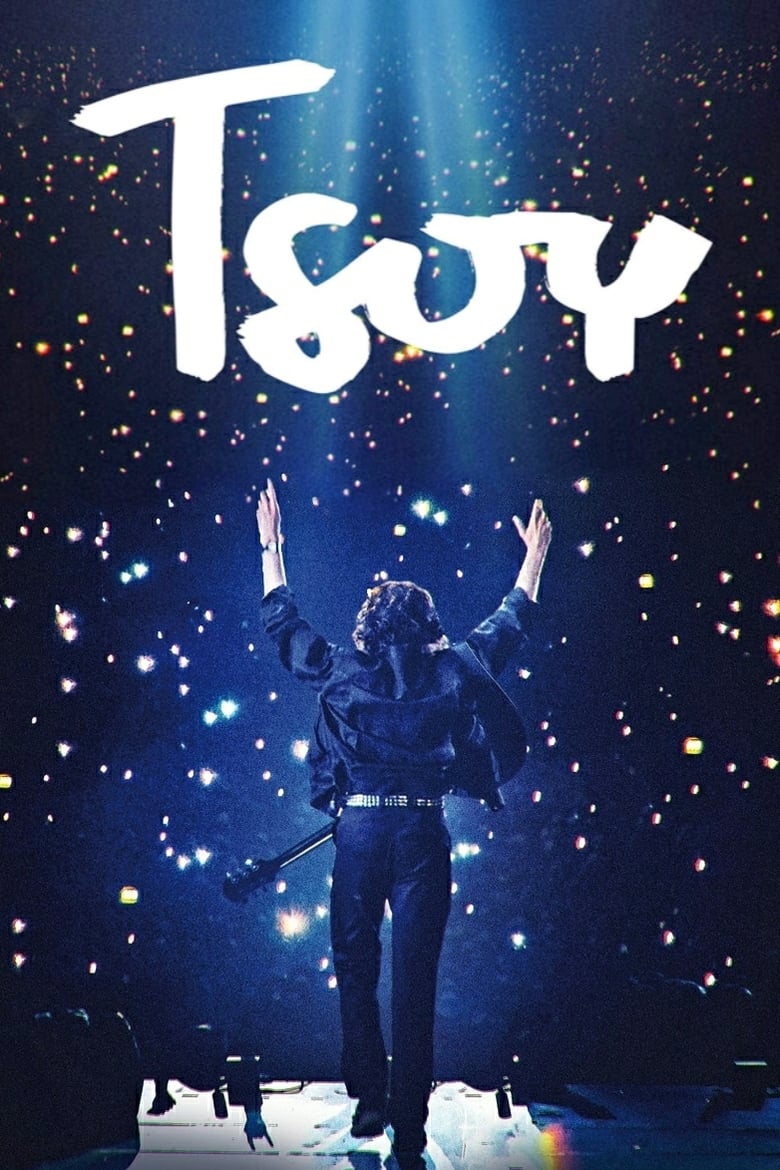
15 August 1990. Viktor Tsoy, the Soviet Union’s most famous rock star, leader of the band Kino, a symbol of freedom and change, dies in an accident on a Latvian highway. The bus driver who was involved in the tragic accident will bring his body back to Leningrad. A party of mourners – Tsoy’s wife and her new boyfriend, his mistress, his producer, his young son and an obsessed photographer – are part of the trip back. This is going to be a long trip, the perfect occasion for an agonizing unravelling of love, jealousy, ambition, and greed.
Overall Score
Fair
Category Breakdown
LGBTQ+ Representation
The film focuses on heteronormative social structures within the late-Soviet rock scene. Romantic tensions center on the relationships between Tsoi’s wife, his mistress, and a new partner. No queer identities or narratives are present.
Gender Representation
While the setting is a male-dominated rock subculture, women carry much of the emotional weight. The narrative explores the psychological agency of female characters through their personal conflicts, though they remain tied to the central male figure.
Racial & Ethnic Diversity
The film reflects the ethnic homogeneity of the Leningrad and Latvian corridor during the Perestroika era. It remains a localized study of a specific Russian cultural milieu without utilizing diverse casting to challenge historical context.
Religious & Cultural Diversity
The film effectively portrays the friction between youth culture and the decaying Soviet establishment. It frames the rock subculture as a site of resistance, capturing the shift from collectivism toward individualism.
Disability Representation
There are no prominent depictions of visible or invisible disabilities that serve as central character arcs or drive the narrative forward.
Strengths
Areas for Improvement
AI Analysis
Tsoi is a period drama that prioritizes historical and systemic deconstruction over identity-based representation. It succeeds as a study of cultural shifts during the collapse of the Soviet Union, using the protagonist as a symbol of change. However, the film lacks breadth in its social depictions. It remains rooted in the specific, homogeneous demographics of the 1980s Russian rock scene, offering little in the way of LGBTQ+ or racial diversity. Ultimately, the film's strength lies in its portrayal of institutional decay and the tension between individual expression and state power, rather than its inclusivity of diverse identities.
2003
1975

2019
2021
1993

2012
2020
2011

2021
2009

2011

2010
No reviews yet. Be the first to share your thoughts on this movie!
Use the rating form above to leave a star rating and optional review.