
The Entity
2019
No user ratings available yet
Diversity score: 5.2 out of 10
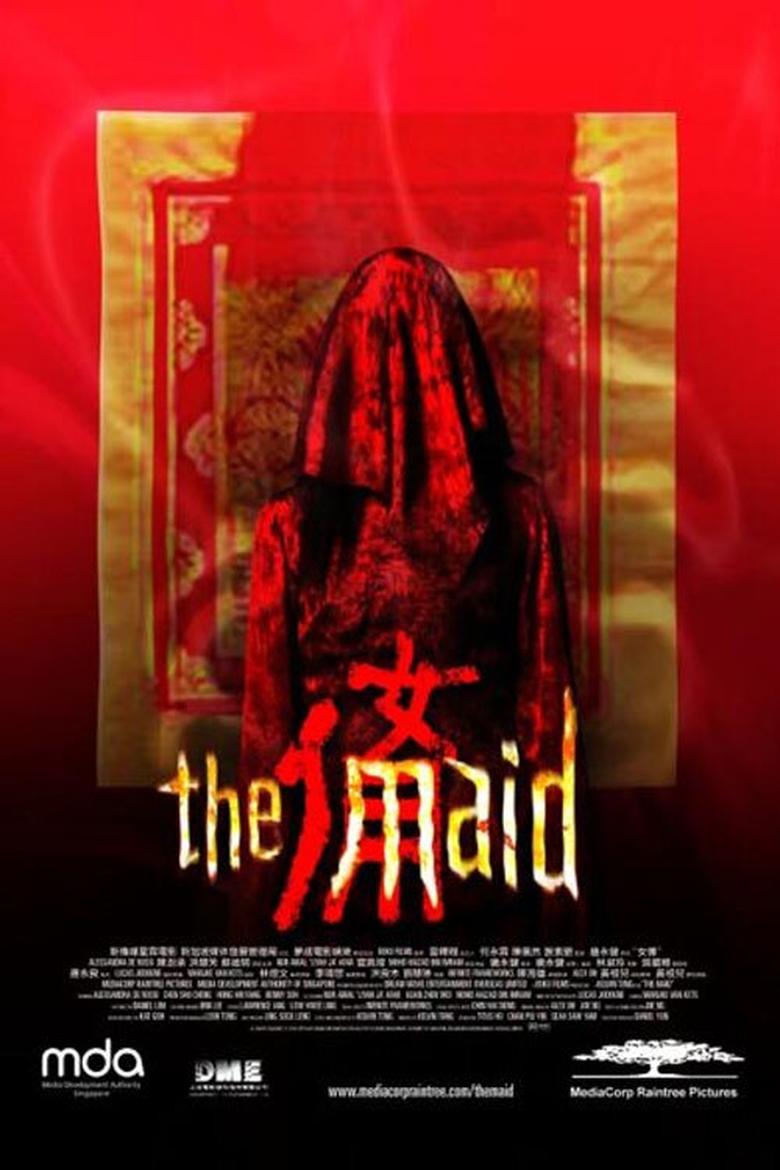
2005
NRDirector
Kelvin Tong
Runtime
93 minutes
Average Rating
No ratings yetSynopsis
Alone for the first time and away from her family in rural Philippines, Rosa Dimaano arrives in the cosmopolitan city state of Singapore to work as a maid. Her employers Mr and Mrs Teo runs a Chinese Teochew dialect opera troupe takes well to their new domestic help. So do their mentally disabled son, Ah Soon. In Chinese superstition, the seventh month of the lunar calendar is regarded as the month when the gates of hell open for forsaken spirits to walk the earth for 30 days. Unknown to Rosa, she arrives on the eve and her hell is about to begin.
Overall Score
Fair
Category Breakdown
LGBTQ+ Representation
The film lacks explicit LGBTQ+ characters or narratives. The story focuses strictly on domestic and supernatural themes, adhering to traditional relational structures.
Gender Representation
Rosa, the female protagonist, navigates survival and autonomy against rigid employment hierarchies. Her resilience subverts some gendered expectations despite her role as a caregiver.
Racial & Ethnic Diversity
The film depicts Southeast Asian intersectionality by placing a Filipina protagonist in a Chinese Teochew household. This highlights complex migrant labor and ethnic distinctions.
Religious & Cultural Diversity
Local folklore and lunar calendar superstitions drive the narrative rather than Western frameworks. The film uses these spiritual realities to explore socioeconomic divides.
Disability Representation
The character Ah Soon introduces neurodivergence into the household dynamic. His condition is central to the family, though treated through the lens of horror genre requirements.
Strengths
Areas for Improvement
AI Analysis
The Maid succeeds in presenting a non-Western horror landscape by centering on Southeast Asian migrant experiences and localized spiritual traditions. It avoids Anglo-centric norms by utilizing specific cultural markers like Teochew opera and lunar superstitions. However, the film remains limited in its exploration of modern identity politics. It lacks LGBTQ+ representation and relies on traditional relational structures, which narrows its social scope. Ultimately, the film's strength is its intersectional look at class and ethnicity. It uses the domestic worker/employer relationship to critique the isolation found within modern urban hierarchies.
2019
2003

2018
2015
2018
2016
2017
2009

2008

2020

2004
2008
No reviews yet. Be the first to share your thoughts on this movie!
Use the rating form above to leave a star rating and optional review.