The Third Eye
2017
No user ratings available yet
Representation score: 6.2 out of 10
Representation Score
Good
2003
Director
Lee Soo-youn
Runtime
125 minutes
Average Rating
No ratings yetNew Showbiz Analysis
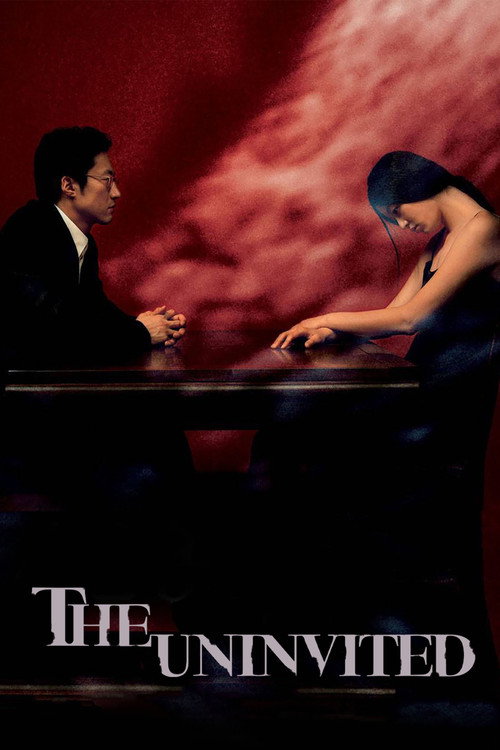
The Uninvited operates as a psychological thriller that prioritizes subjective reality over traditional moral binaries. It succeeds in offering a non-Western perspective on the genre, avoiding Western-centric clichés. However, the film adheres to a relatively conventional character structure, lacking explicit representation of LGBTQ+ identities or non-assuming gender matches what was assigned at birth identities. Its strength lies in exploring mental health and memory, moving beyond simple horror into more nuanced, character-driven territory.
Category Breakdown
The story revolves around a male protagonist and a female counterpart dealing with shared trauma. There is no clear indication of queer romance or non-straight identities among the main characters.
The narrative centers on a male protagonist's internal journey while the female lead shares a supernatural experience with him. This shifts away from the typical damsel in distress scenario.
As a South Korean production, the film presents a non-Western viewpoint on the horror genre. It offers a culturally specific angle that counters the dominance of Western-centric thrillers.
The film emphasizes personal truths and the dismantling of memory over institutional morality. It examines trauma through a lens of moral relativism and individual experience.
The film addresses invisible disabilities by using the protagonist's perceptions as a metaphor for dissociative experiences. These elements give characters significant roles in their altered realities.
Present on Screen
Limited or Absent
Official Synopsis
An engaged interior designer sees two small girls on the subway train that die there. He sees them again in his apartment. A woman he meets can also see them. He talks to her about his forgotten childhood.
2017

2003
2000

1999
2002
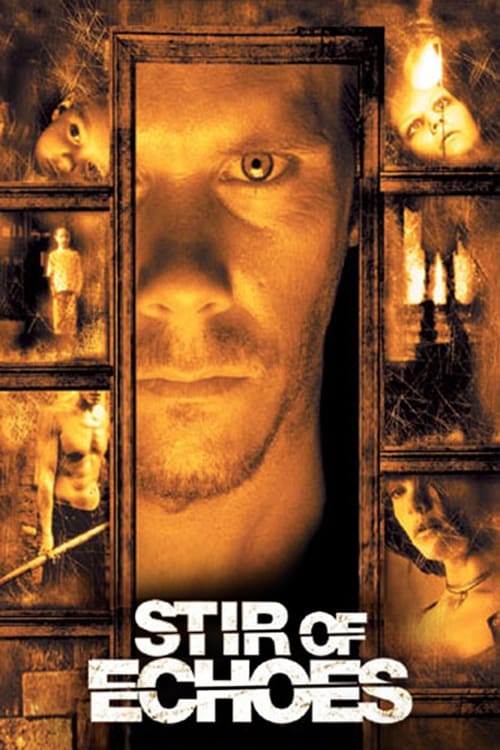
1999
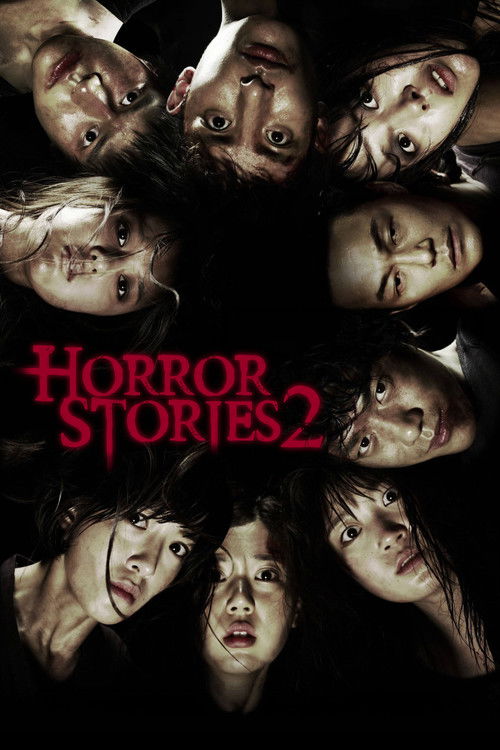
2013
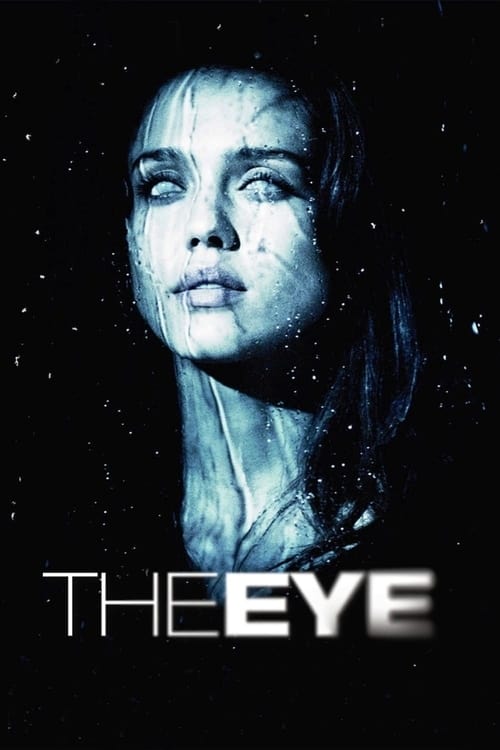
2008
No reviews yet. Be the first to share your thoughts on this movie!
Use the rating form above to leave a star rating and optional review.