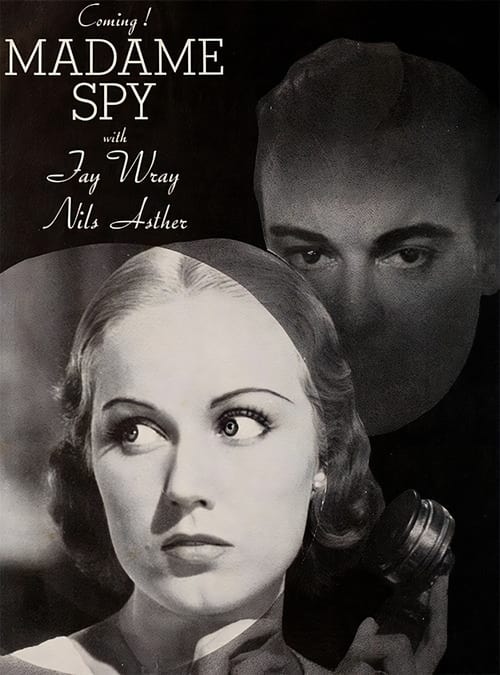
Madame Spy
1934
No user ratings available yet
Representation score: 2.9 out of 10
Representation Score
Limited
1939
15Director
André de Toth
Runtime
83 minutes
Average Rating
No ratings yetNew Showbiz Analysis
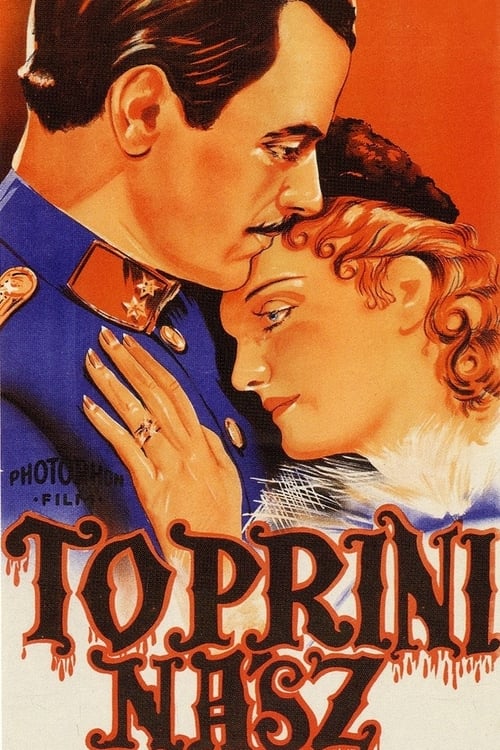
Wedding in Toprin reflects the social structures and homogeneous casting typical of its 1939 setting. The narrative focuses on espionage and marital tension, avoiding diverse identity exploration. While the film does not challenge modern norms, it slightly subverts traditional gender roles by highlighting the Countess's unhappiness within her marriage. This provides a glimpse into complex interpersonal dynamics but does not address racial or sexual orientation norms.
Category Breakdown
The film does not include any explicit LGBTQ+ characters or explore non-straight relationships. The story centers around a traditional romantic conflict between a Lieutenant and a Countess.
The Countess stands out by expressing dissatisfaction with her marriage, showing a level of emotional autonomy that disrupts traditional gender roles.
The production likely features a homogeneous European cast typical of 1939. There is no indication of diverse casting or significant ethnic blending within the narrative.
The plot delves into moral complexity through themes of espionage and marital crisis. However, it does not offer an explicit critique of institutions or capitalism.
There is no information about characters with physical or neurodivergent disabilities.
Present on Screen
Limited or Absent
Official Synopsis
Sent on a spy mission to the estate of Count Toprini, Lieutenant Imre is helped by the count's wife who is unhappy in her marriage.
1934
1959
1928
1931
1947
1928
1932

1949
No reviews yet. Be the first to share your thoughts on this movie!
Use the rating form above to leave a star rating and optional review.