
The Great Muppet Caper
1981
No user ratings available yet
Representation score: 6.3 out of 10
Representation Score
Good
1976
GDirector
Alan Parker
Runtime
93 minutes
Average Rating
No ratings yetNew Showbiz Analysis
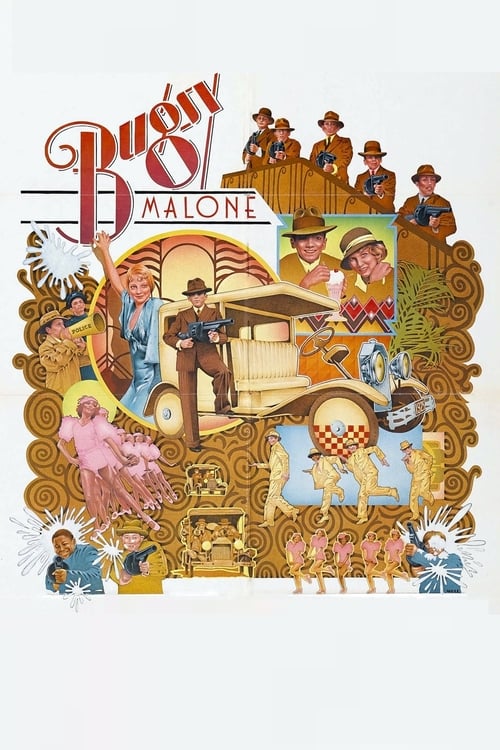
Bugsy Malone is a sophisticated deconstruction of the gangster genre. By using a child cast to perform adult roles, the film softens the grit of the genre through a meta-narrative layer of playfulness. While the film does not explicitly address modern multi-layered markers or identity politics, it challenges traditional Western masculine archetypes. The 'softened' violence of the setting reduces the emphasis on hyper-masculine dominance. Ultimately, the film is stylistically progressive in its approach to power dynamics, despite maintaining a traditional demographic profile and lacking diverse representation.
Category Breakdown
The story revolves around a traditional love triangle involving Bugsy, Blousey, and Tallulah. There are no visible representations of LGBTQ+ identities or queer subtext.
Female characters like Blousey Brown and Tallulah have significant social influence and navigate the criminal underworld with sophistication and emotional control, often surpassing the male characters.
The cast remains fairly uniform within its stylized Prohibition-era setting. The film does not intentionally include diverse ethnic representation to challenge historical norms.
The film critiques the American Dream and gangster mythos through a playful lens. By substituting lethal weapons with custard pies, it offers a postmodern, theatrical take on traditional authority.
There is no significant or intentional focus on visible or invisible disabilities. The film does not use disability as a plot device or provide meaningful ability to act to neurodivergent or physically disabled characters.
Present on Screen
Limited or Absent
Official Synopsis
New York, 1929, a war rages between two rival gangsters, Fat Sam and Dandy Dan. Dan is in possession of a new and deadly weapon, the dreaded "splurge gun". As the custard pies fly, Bugsy Malone, an all-round nice guy, falls for Blousey Brown, a singer at Fat Sam's speakeasy. His designs on her are disrupted by the seductive songstress Tallulah who wants Bugsy for herself.
1981
1975
1979
1962
1968
1975
1964
1984
No reviews yet. Be the first to share your thoughts on this movie!
Use the rating form above to leave a star rating and optional review.