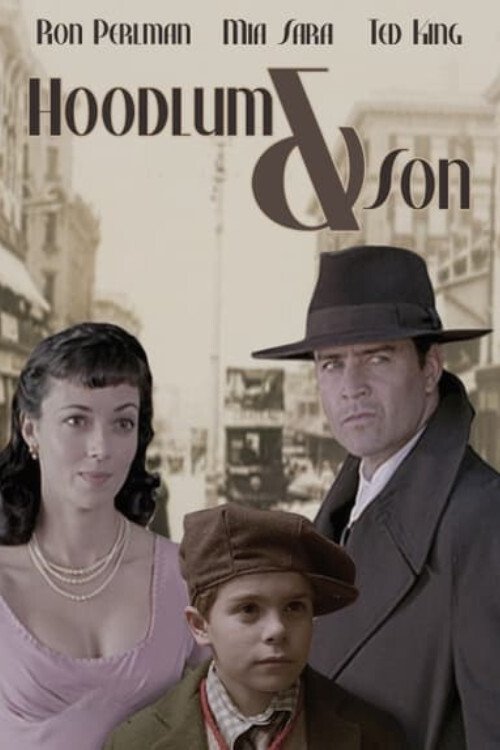
Hoodlum & Son
2003
No user ratings available yet
Representation score: 1.8 out of 10
Representation Score
Minimal
1964
NRDirector
Gordon Douglas
Runtime
123 minutes
Average Rating
No ratings yetNew Showbiz Analysis
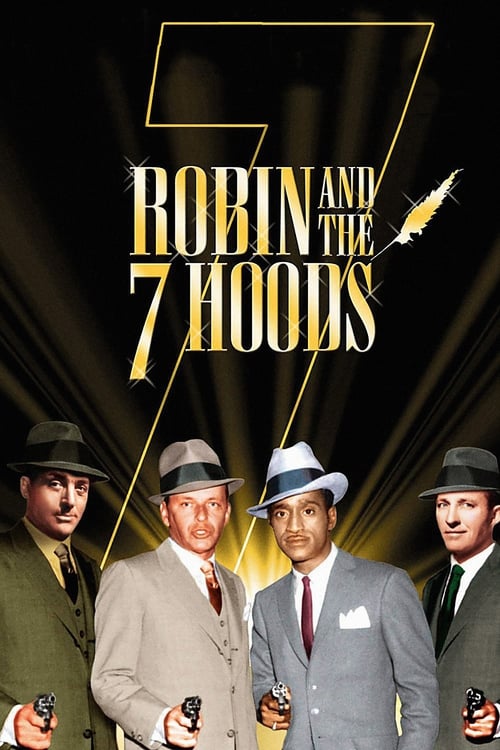
Robin and the 7 Hoods is a traditional musical comedy that adheres to the social norms of the mid-century studio era. It emphasizes genre entertainment and maintains a predominantly white cast. The film reinforces traditional gender roles and does not engage with diverse identities or systemic critiques.
Category Breakdown
The film does not include any representation of LGBTQ+ identities or same-sex relationships, sticking to the heterosexual norms of the 1960s.
Female characters such as Maid Marian serve mainly as romantic interests or catalysts for male actions. The story does not challenge traditional gender roles or give women significant control over the plot.
The cast is overwhelmingly white, reflecting the demographic makeup of mid-century Hollywood. The film does not use diverse ethnic backgrounds to challenge societal norms.
The film blends medieval and Prohibition-era elements in a postmodern style but avoids critiquing Western institutions or promoting radical social change.
The movie does not address visible or invisible disabilities, nor does it feature characters whose stories revolve around physical or mental health issues.
Present on Screen
Limited or Absent
Official Synopsis
Set in Prohibition era Chicago, bootlegger Robbo and his cronies refuse to pay the greedy Guy Gisborne a cut of their profits after Guy shoots mob boss Big Jim and takes over. When Big Jim's daughter, Marian, gives Robbo a large sum, believing he has avenged her father's death, the gangster donates to an orphanage, cementing his reputation as a softhearted hood.
2003

1958
1951
1933
1971
1963
1970
1960
No reviews yet. Be the first to share your thoughts on this movie!
Use the rating form above to leave a star rating and optional review.