
Le Voyage aux Pyrénées
2008
No user ratings available yet
Diversity score: 5.7 out of 10
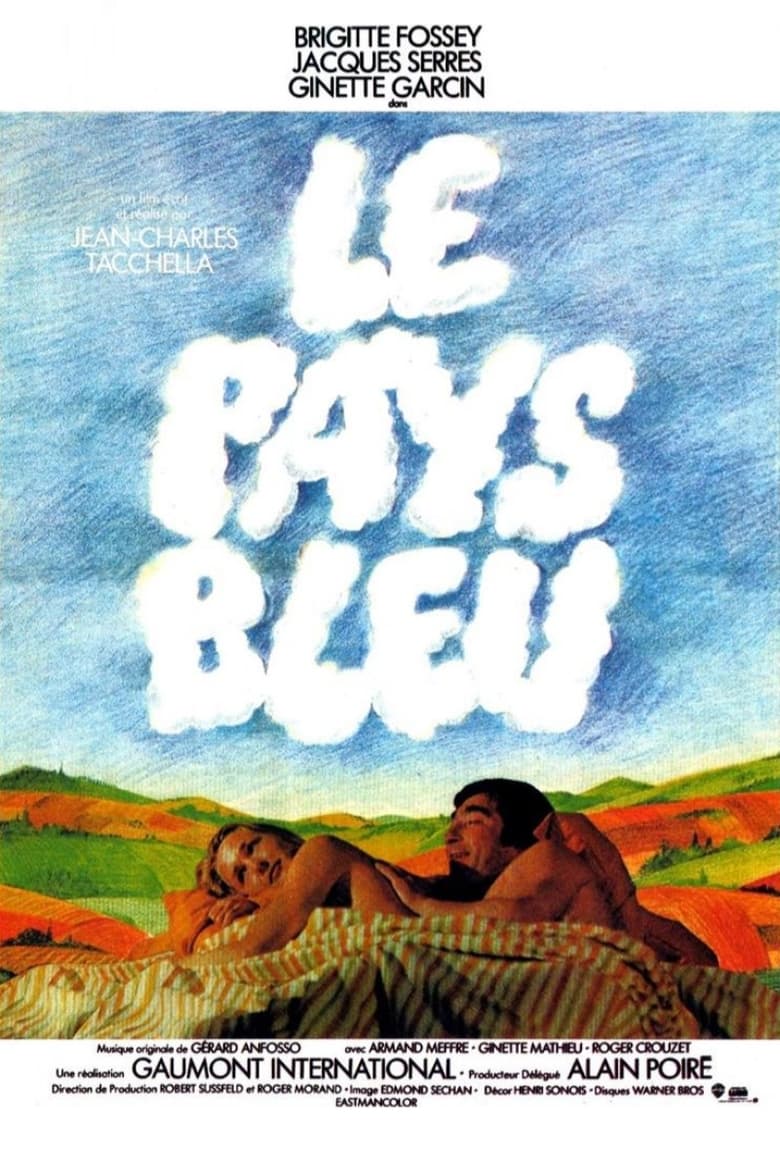
1977
PGDirector
Jean-Charles Tacchella
Runtime
104 minutes
Average Rating
No ratings yetSynopsis
Brigitte Fossey stars as a repressed young nurse who hopes that moving from the city to the country will open up new vistas in her life (thereby reversing the usual country-to-city route of most movie heroines!) She meets and falls in love with bachelor Jacques Serre, likewise a free spirit. Though Fossey and Serre are attracted to one another, both value their freedom too much to make a firm commitment. As they draw closer, the twosome compare their own lifestyles with those of the colorful country folk all around them.
Overall Score
Fair
Category Breakdown
LGBTQ+ Representation
The film explores the rejection of traditional romantic commitment. While it does not explicitly confirm non-cisnormative identities, its focus on personal liberty challenges heteronormative expectations of marriage.
Gender Representation
Brigitte Fossey leads the narrative as a woman seeking agency through social relocation. The film avoids passive female tropes, instead presenting a dynamic where both leads prioritize self-actualization.
Racial & Ethnic Diversity
The story appears to focus on a homogeneous social landscape. There is no evidence of significant racial or ethnic blending within the narrative.
Religious & Cultural Diversity
The film critiques the sanctity of the traditional family unit by prioritizing individual autonomy. It explores lifestyle as a personal choice rather than a prescribed social duty.
Disability Representation
There is no evidence of disability, neurodivergence, or chronic illness playing a role in the character arcs or plot.
Strengths
Areas for Improvement
AI Analysis
Blue Country functions as a character study centered on autonomy and the deconstruction of social contracts. It succeeds in subverting traditional domestic norms by prioritizing individual liberty over marriage. However, the film lacks intersectional depth. The narrative focuses heavily on class and lifestyle distinctions while remaining largely homogeneous in terms of race and disability representation. Ultimately, the film's progressive stance lies in its narrative architecture, which challenges mid-20th-century expectations of stability and institutionalized domesticity.
2008
2019

2013

1976

2014

1969
1971

1981
2002

1976

1973

1974
No reviews yet. Be the first to share your thoughts on this movie!
Use the rating form above to leave a star rating and optional review.