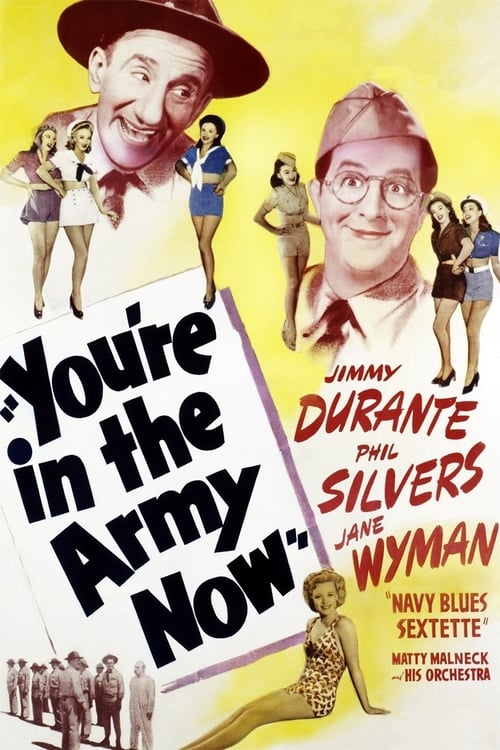
You're in the Army Now
1941
No user ratings available yet
Representation score: 0.9 out of 10
Representation Score
Minimal
1944
ApprovedDirector
Phil Karlson
Runtime
70 minutes
Average Rating
No ratings yetNew Showbiz Analysis
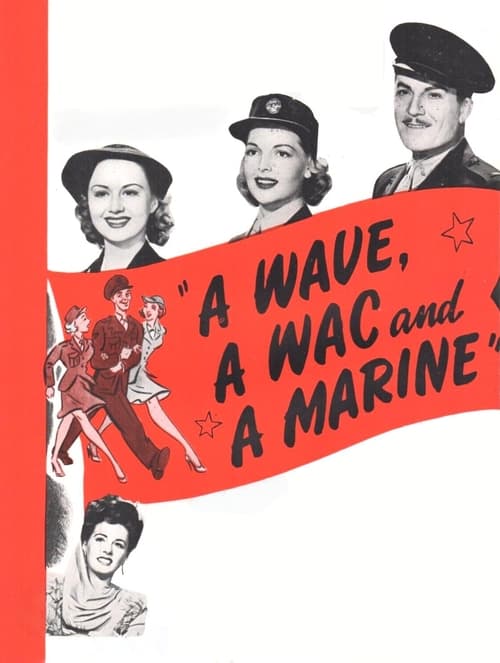
This 1944 Monogram musical-comedy serves primarily as a wartime morale booster, emphasizing national cohesion over social diversity. While it highlights the expanding roles of women through military mobilization, the film remains firmly rooted in the conservative institutional values of its time. The production reflects the demographic homogeneity typical of mid-1940s Hollywood. It centers on traditional Western values, patriotism, and military discipline, offering little space for non-normative identities or diverse cultural perspectives. Ultimately, the film operates as a period-specific artifact. It celebrates the growth of women's ability to drive the story within a military context but does so through a lens of strict social and systemic conformity.
Category Breakdown
The film does not include any LGBTQ+ identities or subtext. Romantic and social dynamics are strictly focused on heterosexual relationships.
Women play significant roles in the film, particularly through their service in the WACs and WAVES. However, the comedy often depends on traditional gender-based humor and rigid social hierarchies.
The casting is very homogeneous, reflecting the standard military recruitment imagery of the 1940s. There is no significant representation of minorities.
The narrative emphasizes patriotism and loyalty to Western institutions. It reinforces traditional values and a clear moral dichotomy centered around the war effort.
There are no visible or invisible disabilities portrayed as central to the characters or the plot.
Present on Screen
Limited or Absent
Official Synopsis
Henny Brown, talent scout for the Margaret Ames Film Agency in Hollywood, mistakes Broadway show understudies Judy and Marian, for stars Betty and Eileen, and signs them up for movies. Margaret, furious with Henny for the blunder, fires him---but only temporarily. Another agent, Marty Allen, once married to and still in love with Margaret, signs Betty and Eileen. Henny arrives with Judy and Marian, and the nightclub manager asks Henny to emcee the show. Though he is not sure himself what they can do, Henny introduces the girls and they make a hit in a dramatic sketch. Big-time movie producer R. J. signs them to a film contract. Judy joins the WAVES, Marian the WACS and Marty the Marines and all have two weeks before induction, and that is more than long enough to shoot a Monogram musical-within-a-Monogram musical and have a few days to spare.
1941
1944
1941
1945

1943
1943
1952
1956
No reviews yet. Be the first to share your thoughts on this movie!
Use the rating form above to leave a star rating and optional review.