Louie Bluie
1985
No user ratings available yet
Representation score: 6.3 out of 10
Representation Score
Limited
2004
Director
Andrew Douglas
Runtime
82 minutes
Average Rating
No ratings yetNew Showbiz Analysis
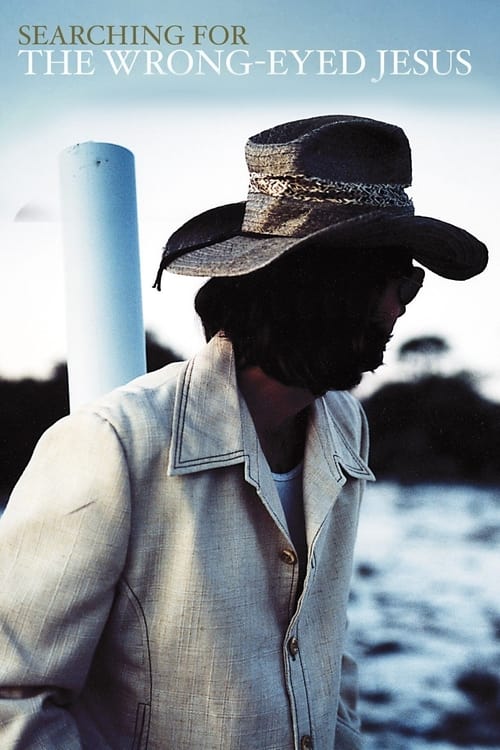
Searching for the Wrong-Eyed Jesus is a regionalist character study that prioritizes atmospheric realism over broad social diversity. It succeeds in deconstructing the sanitized myths of the American South, replacing pastoral idealism with a gritty, complex landscape of struggle. However, the film's focus is narrow. By centering on a specific demographic of poor white Americans and a male-dominated musical circle, it lacks significant representation of diverse racial, gender, or LGBTQ+ identities. Ultimately, the documentary is a specialized look at a localized identity. It offers a deep cultural critique of Southern institutions but remains limited in its social diversity.
Category Breakdown
The film focuses on the musical and social landscapes of the American South. There is no explicit evidence of LGBTQ+ characters or narratives addressing non-straight relationships.
The narrative centers on a male protagonist and various male musical figures. It follows a traditional masculine-centric road movie structure with limited subversion of gender roles.
The film explores the 'poor white American South,' resulting in a largely homogeneous demographic. It does not prioritize racial blending or diverse ethnic perspectives.
The film disrupts idealized Southern imagery by navigating churches, prisons, and coalmines. It presents a gritty reality that challenges conventional religious or patriotic ideals.
There is no discernible evidence regarding the portrayal of physical or neurodivergent disabilities within the film.
Present on Screen
Limited or Absent
Official Synopsis
A stunningly-photographed, thought-provoking road trip into the heart of the poor white American South. Singer Jim White takes his 1970 Chevy Impala through a gritty terrain of churches, prisons, truckstops, biker bars and coalmines. Along the way are roadside encounters with present-day musical mavericks the Handsome Family, David Johansen, David Eugene Edwards of 16 Horsepower and old-time banjo player Lee Sexton, and grisly stories from the cult Southern novelist Harry Crews.
1985
1992
1973
2008
1989
2004
2004
2003
No reviews yet. Be the first to share your thoughts on this movie!
Use the rating form above to leave a star rating and optional review.