Hot Pepper
1973
No user ratings available yet
Representation score: 3.8 out of 10
Representation Score
Limited
1989
Director
Les Blank, Chris Strachwitz
Runtime
84 minutes
Average Rating
No ratings yetNew Showbiz Analysis
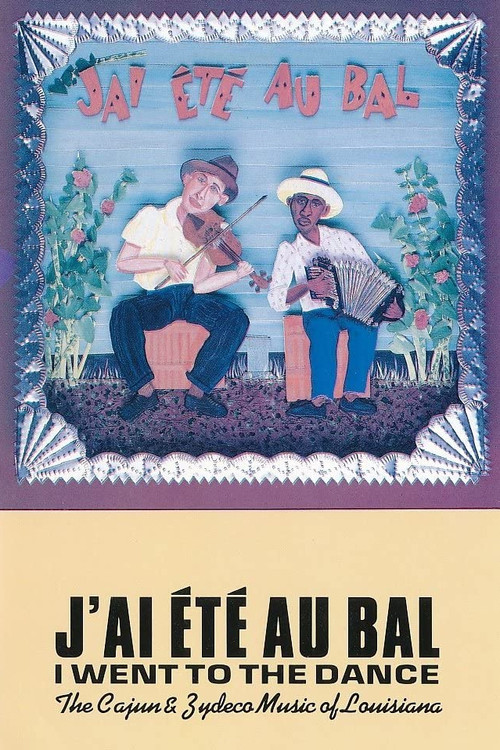
I Went to the Dance provides a detailed ethnographic record of Southwest Louisiana's musical heritage. It excels in depicting the integration of Black and White cultural histories through Cajun and Zydeco traditions. The film captures the authentic ability to act of rural communities, offering a meaningful counterpoint to the typical Western cultural perspective. However, the film adheres closely to traditional social structures and does not explicitly address LGBTQ+ narratives or disability issues.
Category Breakdown
The film focuses on regional dance traditions and does not include explicit narratives about LGBTQ+ identities or non-binary gender experiences.
The film highlights traditional social dance forms like square dancing, avoiding reinforcement of patriarchal leadership while emphasizing collective movement.
The film effectively showcases the blending of Black and White cultural histories through Cajun and Zydeco traditions, highlighting the organic integration of these communities.
The film celebrates localized, community-based traditions and gatherings, prioritizing folk culture over institutionalized Western practices.
The documentary focuses on communal dance and music, without significant representation of visible or invisible disabilities as central narrative elements.
Present on Screen
Limited or Absent
Official Synopsis
The definitive film on the history of the toe-tapping, foot-stomping music of French Southwest Louisiana. Includes many Cajun and Zydeco greats, featuring Michael Doucet and Beausoleil, Clifton Chenier, Marc and Ann Savoy, D.L. Menard, and many others.
1973
1981
1978
2018
1984
1999
1976
1979
No reviews yet. Be the first to share your thoughts on this movie!
Use the rating form above to leave a star rating and optional review.