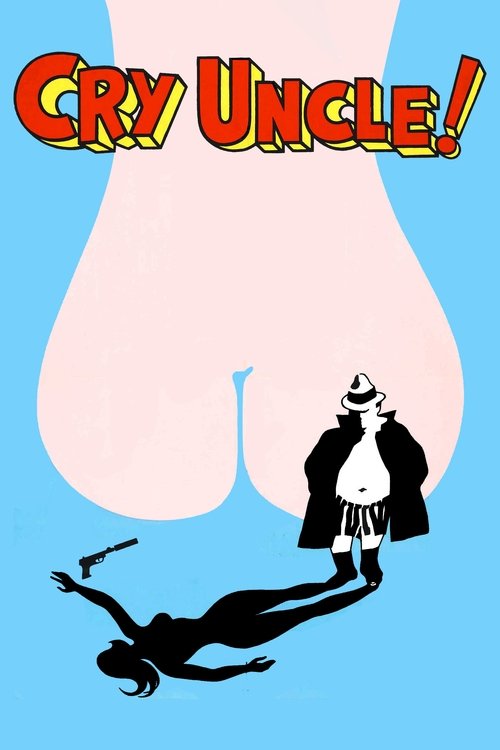
Cry Uncle!
1971
No user ratings available yet
Representation score: 5.0 out of 10

Representation Score
Fair
1984
RDirector
Paul Bartel
Runtime
88 minutes
Average Rating
No ratings yetNew Showbiz Analysis
Not for Publication is a genre-bending mystery that finds its strength in subverting traditional power dynamics. By centering the plot on a female reporter, the film grants women professional authority and intellectual ability to act rarely seen in mid-80s crime cinema. The film's progressive value stems from its institutional skepticism and its critique of political corruption. While it lacks explicit multi-layered identity markers, the director's history of exploring transgressive themes suggests a narrative designed to challenge mainstream social expectations. However, the film lacks clear evidence of racial or LGBTQ+ representation. While the urban setting and director's pedigree hint at a non-traditional social exploration, the absence of specific, actively leading characters from these groups limits its overall diversity impact.
Category Breakdown
The film doesn't explicitly feature LGBTQ+ characters or relationships that challenge the assumption that everyone is straight or cisgender. However, the director's history of exploring sexual liberation suggests the narrative avoids rigidly heterosexual norms.
A female tabloid reporter serves as the central protagonist, providing her with significant investigative ability to act. This disrupts typical 1980s crime genre hierarchies by prioritizing female professional competence over traditional clichés.
The New York City setting implies a diverse urban environment, but the film lacks verified evidence of actively leading characters of color. The score reflects this lack of specific, confirmed racial representation.
The story critiques systemic corruption within municipal government and political institutions. This focus on investigative journalism serves as a tool to challenge established authority and institutional opacity.
There is no mention of characters with physical, sensory, or neurodivergent disabilities within the narrative.
Present on Screen
Limited or Absent
Official Synopsis
A tabloid reporter and her new photographer, who've recently started working for the mayor of New York City, stumble upon evidence of conspiracy and political corruption that may involve their beloved mayor.
1971
1978

1999
1983
1978
1999
1939
1978
No reviews yet. Be the first to share your thoughts on this movie!
Use the rating form above to leave a star rating and optional review.