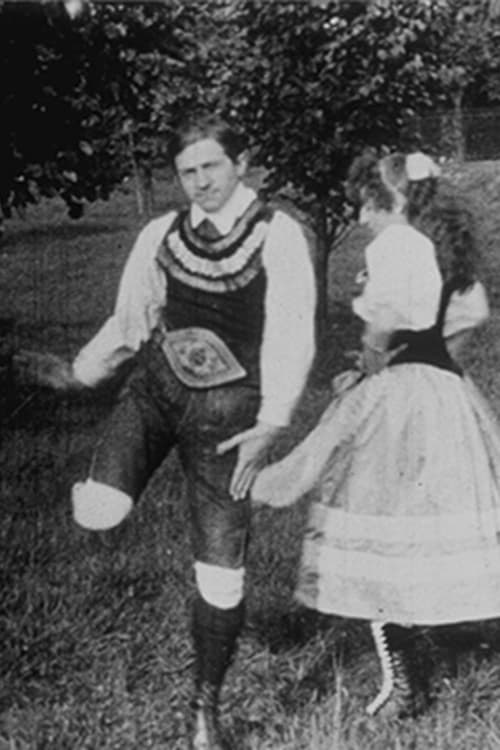
Danse Tyrolienne
1896
No user ratings available yet
Representation score: 1.7 out of 10

Representation Score
Limited
1895
Director
Max Skladanowsky, Emil Skladanowsky
Runtime
1 minutes
Average Rating
No ratings yetNew Showbiz Analysis
As a primitive documentary from 1895, this film lacks the narrative depth needed for modern characters who reflect more than one aspect of diversity. It primarily serves as a historical record of a specific cultural moment rather than a tool for social commentary. Limited by the era's constraints and the extreme brevity of the work, the representation offers some ethnic visibility through its focus on Italian folk culture but remains rooted in traditional documentation. Ultimately, the film's score reflects its status as a foundational piece of early cinema that adheres to the social norms of the late 19th century.
Category Breakdown
The film captures a traditional dance and does not include any queer narratives or representations of non-straight identities.
The performance features two children, Ploetz and Larella. It is unclear if the dance reinforces or challenges traditional gender roles.
The work captures an Italian peasant dance, offering visibility for non-Anglo-Saxon cultures. This provides a degree of ethnic diversity for the time period.
The film acts as a historical record of European folk traditions. It focuses on regional customs without engaging with secularism or institutional critique.
There is no visible evidence regarding the depiction of physical or neurodivergent traits in this short documentary.
Present on Screen
Limited or Absent
Official Synopsis
Two children, Ploetz and Larella, perform an Italian peasant dance.
1896
1897
1905
1897
1896

1895
1896
1896
No reviews yet. Be the first to share your thoughts on this movie!
Use the rating form above to leave a star rating and optional review.