Fête au village
1896
No user ratings available yet
Representation score: 1.3 out of 10
Representation Score
Minimal
1896
Director
Alexandre Promio
Runtime
1 minutes
Average Rating
No ratings yetNew Showbiz Analysis
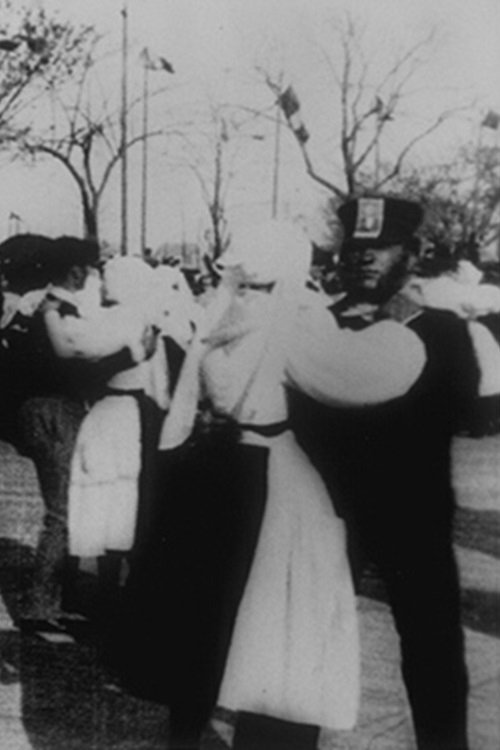
As a short documentary from 1896, *Danse au bivouac* provides a brief visual record of soldiers dancing in a campsite. It lacks the narrative complexity needed to explore character development or systemic power dynamics. The film serves as a historical snapshot of 19th-century institutional life. Since it is an observational piece, it does not engage with progressive themes or diverse identities. Ultimately, the work captures a specific moment in history rather than constructing a narrative designed to challenge or reinforce social hierarchies.
Category Breakdown
The film does not have enough runtime or depth to show LGBTQ+ identities. It focuses solely on observing soldiers.
The footage shows a uniform group of soldiers, reinforcing traditional masculine military structures. There is no indication of women's roles or challenging gender hierarchies.
The visuals suggest a cast that aligns with the military demographics of the late 19th century. It reflects the institutional norms of the time.
The film documents traditional military life and institutions without criticism. It serves as a record of the prevailing social order.
There is no evidence of characters with visible or invisible disabilities being shown with significant roles.
Present on Screen
Limited or Absent
Official Synopsis
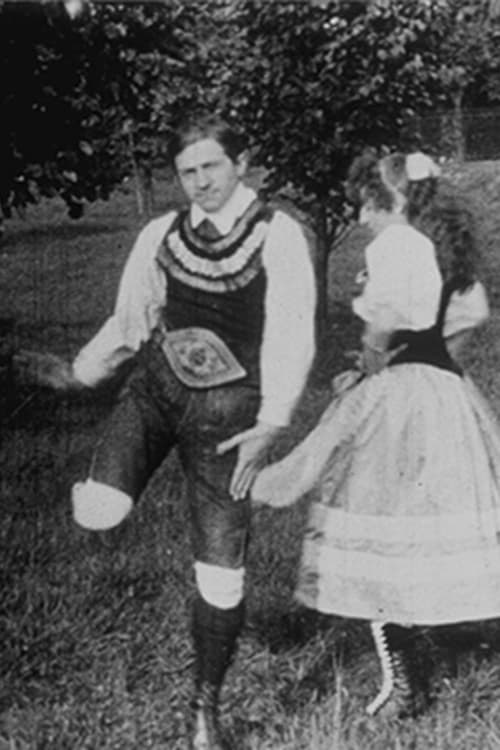
Soldiers, alone or in pairs, dance a jota.
1896
1897
1898
1900
1896
1897

1897

1897
No reviews yet. Be the first to share your thoughts on this movie!
Use the rating form above to leave a star rating and optional review.