
Madrasapattinam
2010
No user ratings available yet
Representation score: 4.3 out of 10

Representation Score
Fair
2025
TV-14Director
Mitch Jenkins
Runtime
108 minutes
Average Rating
No ratings yetNew Showbiz Analysis
Ambleside earns its marks by centering a cross-cultural romance that directly challenges racial and class boundaries. Lucy’s refusal to be married off for financial gain positions her as an active agent rather than a passive object. The diverse cast and critique of colonial attitudes add meaningful depth. However, the absence of LGBTQ+ and disability representation narrows its inclusivity, keeping the overall score moderate rather than high. Some female characters remain in traditional supporting roles, which tempers the film’s gender progressiveness. The result is a period romance that advances representation in key areas while leaving others untouched.
Category Breakdown
No LGBTQ+ characters or same-sex romance appear. The narrative focuses exclusively on a heterosexual relationship between Lucy and Krishna, leaving queer identities absent from the story.
Lucy actively defies her uncle’s marriage plans and chooses her own partner, driving the plot. Women are portrayed as capable and expressive, though some men retain financial power.
The film centers a romance between a white British woman and a local man of color on Mauritius. Its diverse cast in significant roles challenges traditional period romance casting norms.
The story critiques colonial-era class and racial hierarchies through Lucy’s rebellion against family control. Wealth and tradition are restrictive, while cross-cultural love is framed as liberating.
No characters with physical or mental disabilities appear. Disability is neither a theme nor a plot element, leaving this dimension of representation entirely unexplored.
Present on Screen
Limited or Absent
Official Synopsis
Love was their greatest rebellion. Set on the enchanting island of Mauritius in 1925, recently orphaned Lucy is sent to live with her charming but controlling uncle. When she defies his plans to marry her off for financial gain, she falls deeply in love with Krishna, a handsome local worker. But the world has other plans, and Lucy and Krishna must risk everything and defy the forces determined to tear them apart. Starring Ellie Bamber (William Tell, The Serpent), Rhona Mitra (Hollow Man, Red Sonja), Rupert Penry-Jones (Match Point, Spooks), Mehdi Dehbi (Messiah). Directed by Mitch Jenkins (A Million Days, The Show). Inspired by the lives of Alan and Maria Govinden and the book 'Prisoner of Paradise' written by Romesh Gunesekera.
2010

1931

2006
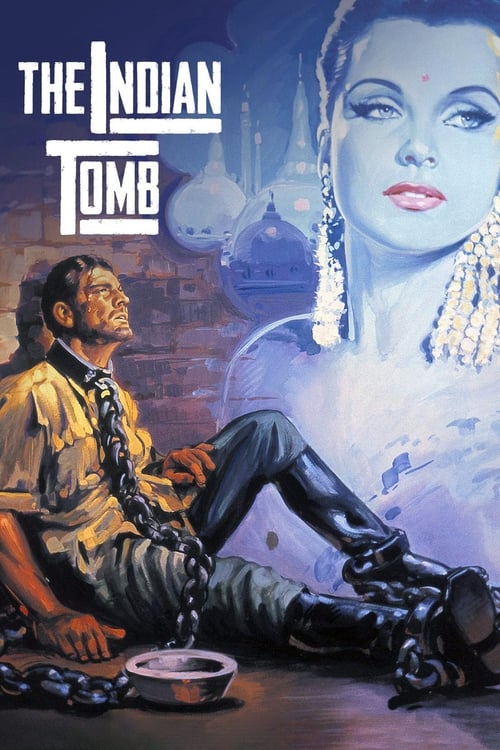
1959

2007

1945

2015

2003
No reviews yet. Be the first to share your thoughts on this movie!
Use the rating form above to leave a star rating and optional review.