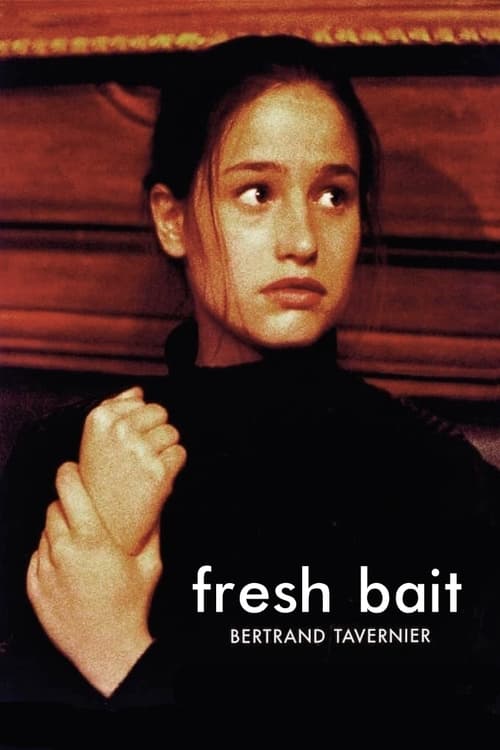
Fresh Bait
1995
No user ratings available yet
Representation score: 5.5 out of 10

Representation Score
Good
2012
Director
Miwa Nishikawa
Runtime
137 minutes
Average Rating
No ratings yetNew Showbiz Analysis
Miwa Nishikawa’s drama stands out for its subversion of traditional gender roles, showcasing the active and intellectual contributions of women in navigating economic hardships. However, the film’s narrow focus limits its representation of LGBTQ+ identities and disabilities, while also lacking broader racial diversity.
Category Breakdown
The film explores the relationships and emotions between the central couple and various women, but it does not focus on queer identities or non-straight relationships.
The narrative highlights how women navigate identity and survival within a strict social structure, emphasizing their active role and intellect.
The cast primarily features actors of Japanese descent, offering a true-to-life portrayal of local social dynamics. However, there is little diversity in terms of race and ethnicity.
The story critiques capitalist systems and the challenges faced by workers, presenting fraudulent actions as survival tactics against economic pressures.
The film does not significantly address visible or invisible disabilities. Its focus on socioeconomic issues leaves little room for exploring neurodivergence or physical disabilities.
Present on Screen
Limited or Absent
Official Synopsis
After losing their restaurant in a fire, a husband and wife come up with a strange plan to rebuild their shattered finances: marrying the husband off to a series of lonely women and defrauding them.
1995

1995

2021

1996

2016

2008
1955

2013
No reviews yet. Be the first to share your thoughts on this movie!
Use the rating form above to leave a star rating and optional review.