
The Tribe
2014
No user ratings available yet
Representation score: 7.2 out of 10
Representation Score
Good
2011
Director
Ruben Östlund
Runtime
118 minutes
Average Rating
No ratings yetNew Showbiz Analysis
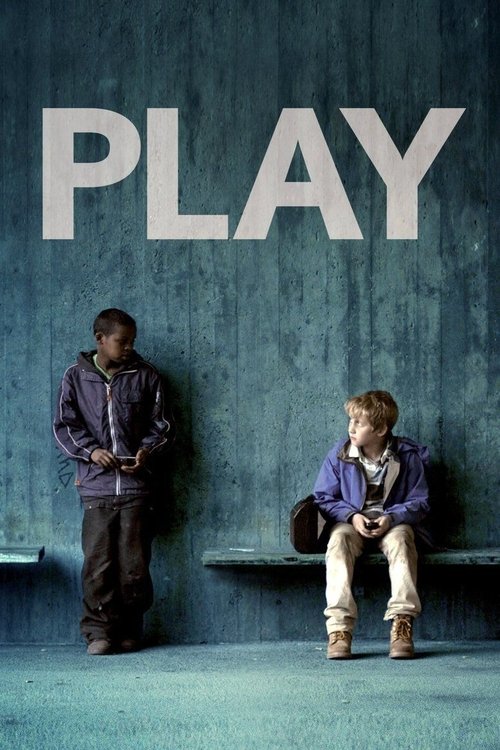
Ruben Östlund’s *Play* is a sophisticated social satire that prioritizes the deconstruction of human rituals over traditional character arcs. It uses a fragmented, vignette-based approach to examine the tension between individual impulses and the performative requirements of modern civilization. The film finds its strength in its intellectual depth, particularly in how it critiques Western social structures and moral relativism. By treating social decorum as an absurd mask, it offers a profound look at the fragility of established social orders. However, the work lacks depth in specific identity-based representation. The absence of meaningful LGBTQ+ or disability narratives results in a moderate overall score, as the film focuses more on systemic social performance than on individual identity dynamics.
Category Breakdown
The film does not center stories about LGBTQ+ individuals or challenge assumptions about straight relationships. Instead, it focuses on broader social performances and interactions.
Gendered interactions are shown as uncomfortable and failing to meet societal expectations. The film portrays characters of all genders as equally influenced by social pressures.
The cast reflects a diverse urban Swedish setting. While it avoids highlighting actively leading narratives for characters of color, it avoids presenting a homogenous, idealized version of Western life.
The film excels in breaking down Western social institutions and moral frameworks. It challenges the sanctity of social etiquette by presenting civilized behavior as an absurd, performative construct.
There is no significant or intentional focus on visible or invisible disabilities. Characters are defined by their social roles rather than by neurodivergence or physical disabilities.
Present on Screen
Limited or Absent
Official Synopsis
In central Gothenburg, Sweden, a group of boys, aged 12-14, robbed other children on about 40 occasions between 2006 and 2008. The thieves used an elaborate scheme called the 'little brother number' or 'brother trick', involving advanced role-play and gang rhetoric rather than physical violence.
2014

2019

2011

2013
2004
2005

2011

2011
No reviews yet. Be the first to share your thoughts on this movie!
Use the rating form above to leave a star rating and optional review.