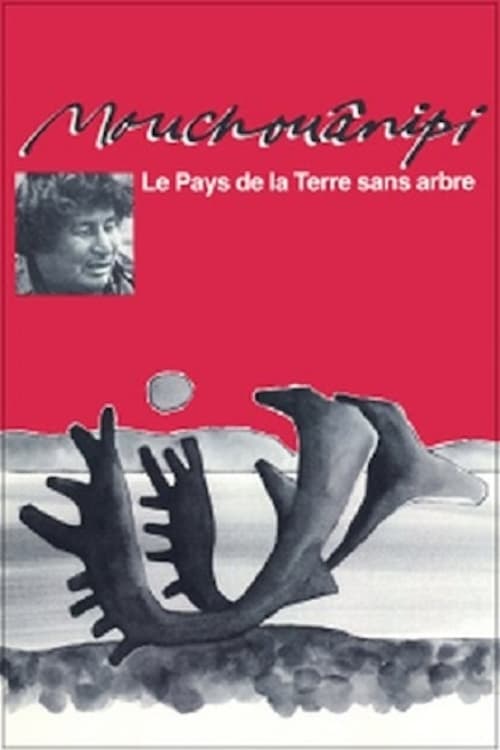
The Land without Trees or The Mouchouânipi
1980
No user ratings available yet
Representation score: 4.4 out of 10
Representation Score
Limited
1982
Director
Pierre Perrault
Runtime
128 minutes
Average Rating
No ratings yetNew Showbiz Analysis
Pierre Perrault’s documentary serves as an ethnographic observation of rural Quebec life rather than a study in multi-layered identity. It succeeds in disrupting mainstream, urban-centric narratives by elevating the voices and traditions of a specific regional community. However, the film adheres to traditional social structures. The subject matter is culturally homogeneous and lacks representation of LGBTQ+ identities or significant women's ability to drive the story, reflecting the gendered norms of 1982. Ultimately, the work's value lies in its direct cinema approach. It resists cultural homogenization by focusing on localized, non-institutional truths, even if it lacks explicit diversity in its character portrayals.
Category Breakdown
The film does not include any characters or stories related to LGBTQ+ individuals. It focuses solely on the seasonal hunting traditions and traditional social structures.
The film likely reflects the gendered division of labor typical of the era. Since hunting is a male-dominated activity, there is little evidence of women playing a significant role in driving the story.
The documentary captures the ethnic diversity of the Maniwaki region. However, the focus on a specific hunting group suggests a degree of cultural homogeneity.
The film challenges urban-centric storytelling by centering the seasonal rhythms and subjective experiences of local hunters in rural Quebec.
There is no documented evidence regarding the portrayal of physical or neurodivergent disabilities in this ethnographic study.
Present on Screen
Limited or Absent
Official Synopsis
A documentary film about a group of hunters who gather annually to hunt moose near Maniwaki, Quebec.
1980
1978
1963
2013

1966
2021
2017
2004
No reviews yet. Be the first to share your thoughts on this movie!
Use the rating form above to leave a star rating and optional review.