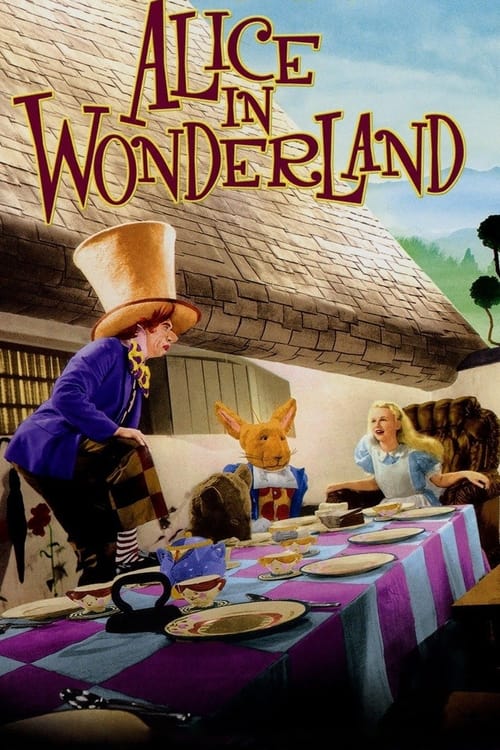
Alice in Wonderland
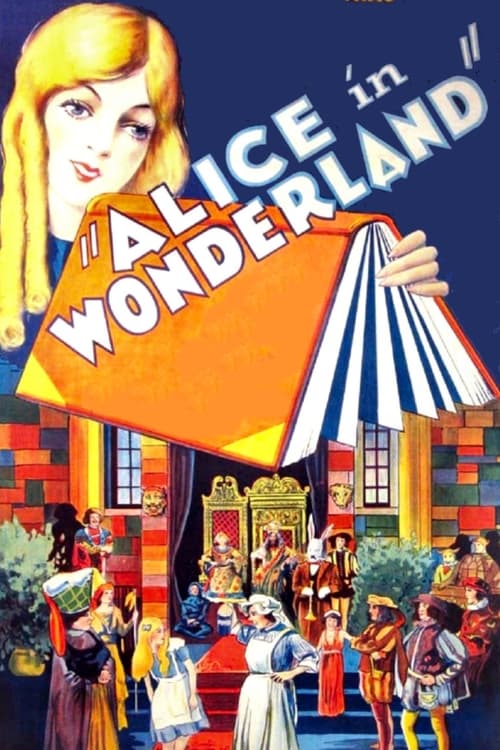
1933
No user ratings available yet
Representation score: 3.3 out of 10
Representation Score
Fair
1931
NRDirector
Bud Pollard
Runtime
55 minutes
Average Rating
No ratings yetNew Showbiz Analysis
This 1931 featurette serves as a historical artifact of early sound cinema rather than a tool for social disruption. It adheres to the standard theatrical conventions of its era, prioritizing whimsical fantasy over addressing diverse identities. While it centers on a female protagonist, the power dynamics and casting reflect the homogeneous social norms of the early twentieth century. Ultimately, the production functions as a straightforward adaptation of Lewis Carroll's work, lacking intentional efforts to challenge gender hierarchies or address diverse identities.
Category Breakdown
The film does not include non-straight or non-cisgender identities, nor does it show same-sex intimacy. While the original material includes gender fluidity, this version sticks to traditional, straight-focused storytelling.
Alice offers a central female perspective but often remains a passive observer in a world dominated by authoritative male or anthropomorphic figures.
The production reflects the homogeneous demographic norms of the early 1930s. There is no indication of race-bent casting or the use of non-human species to represent racial diversity.
The fantasy setting emphasizes surrealism rather than critiquing institutions. The narrative follows a classic hero's journey that upholds traditional moral structures without challenging Western social norms.
Surrealist characters with exaggerated physicalities might rely on 'otherness' as a plot device. There is no clear evidence of neurodivergence or physical disability portrayed with meaningful ability to act.
Present on Screen
Limited or Absent
Official Synopsis
A young girl named Alice falls down a rabbit-hole and wanders into the strange world of Wonderland. The first "talking" movie version of "Alice in Wonderland," produced in Fort Lee, New Jersey, in 1931, two years before Paramount's all-star production. Ruth Gilbert stars as Lewis Carroll's heroine in this black and white featurette (running under an hour) directed by Bud Pollard.
1933
1999
1909
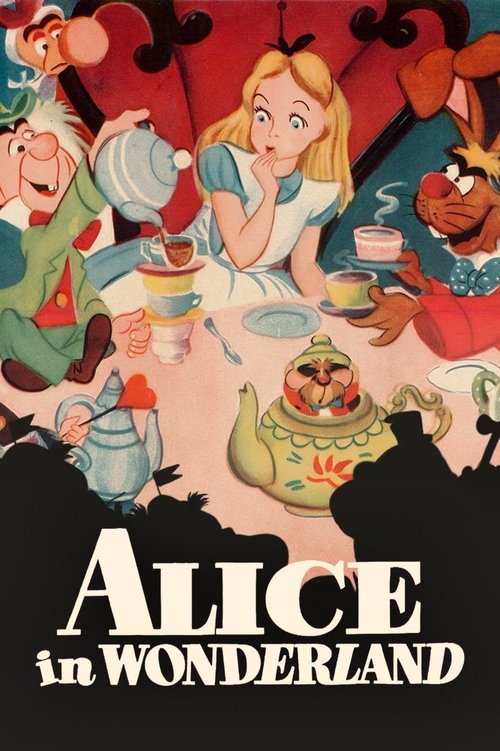
1951
1900
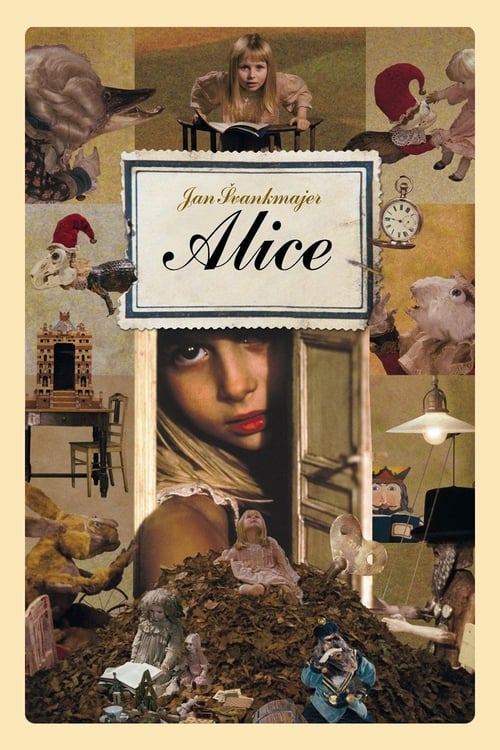
1988
1906
1905
No reviews yet. Be the first to share your thoughts on this movie!
Use the rating form above to leave a star rating and optional review.