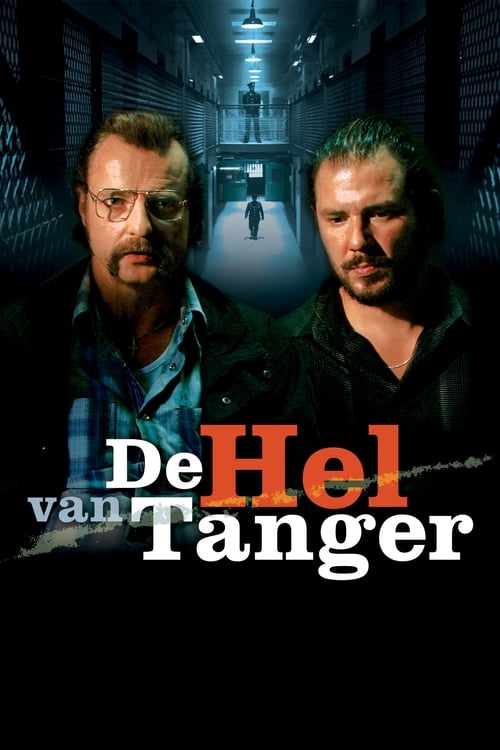
Tangier
2006
No user ratings available yet
Diversity score: 4.5 out of 10
No Poster Available
2002
Director
Andrej Košak
Runtime
90 minutes
Average Rating
No ratings yetSynopsis
In Yugoslavia's Livada prison in 1970, inmates led by Keber convince reluctant authorities to let them watch the televised Olympic final basketball game between the home country and the U.S., but taunting guards interrupt the viewing and prod the prisoners to the point of a riot. After a period of a kind of blissful anarchy where the inmates taste freedom, Keber enlists the house "intellectual" Mrak to devise a system of prisoner self-government aimed at forcing reforms on the state.
Overall Score
Fair
Category Breakdown
LGBTQ+ Representation
The film focuses on class and political struggle within a prison. There is a lack of visible queer narrative arcs or explicit non-heteronormative identity exploration.
Gender Representation
The story is centered on male-dominated spaces like prison hierarchies and athletics. It critiques masculine authority through class struggle rather than subverting gender roles or including female agency.
Racial & Ethnic Diversity
Set in 1970s Yugoslavia, the cast is ethnically homogeneous. However, the inmate-versus-state dynamic serves as a proxy for exploring ethnic and national identity under a centralized regime.
Religious & Cultural Diversity
The film excels in critiquing Western-style institutionalism and state authority. It portrays inmate self-governance as a liberating response to systemic corruption and oppressive state frameworks.
Disability Representation
There is no significant evidence of neurodivergent or physical disability representation being used as a central driver of character agency within the narrative.
Strengths
Areas for Improvement
AI Analysis
Headnoise is a focused exploration of systemic friction and the psychological impact of institutional confinement. It uses a prison riot to examine the tension between individual agency and state authority, framing inmates as a collective seeking autonomy rather than mere criminals. The film's strength lies in its sophisticated deconstruction of power structures. By transitioning from chaotic anarchy to organized self-government, it challenges the legitimacy of top-down institutional hierarchies and explores social contract theory. However, the narrative remains narrow in its demographic scope. The focus on male-centric political struggle and the specific historical Yugoslavian context limits the representation of gender, disability, and LGBTQ+ identities.
No reviews yet. Be the first to share your thoughts on this movie!
Use the rating form above to leave a star rating and optional review.