Family Killer
1973
No user ratings available yet
Diversity score: 3.2 out of 10
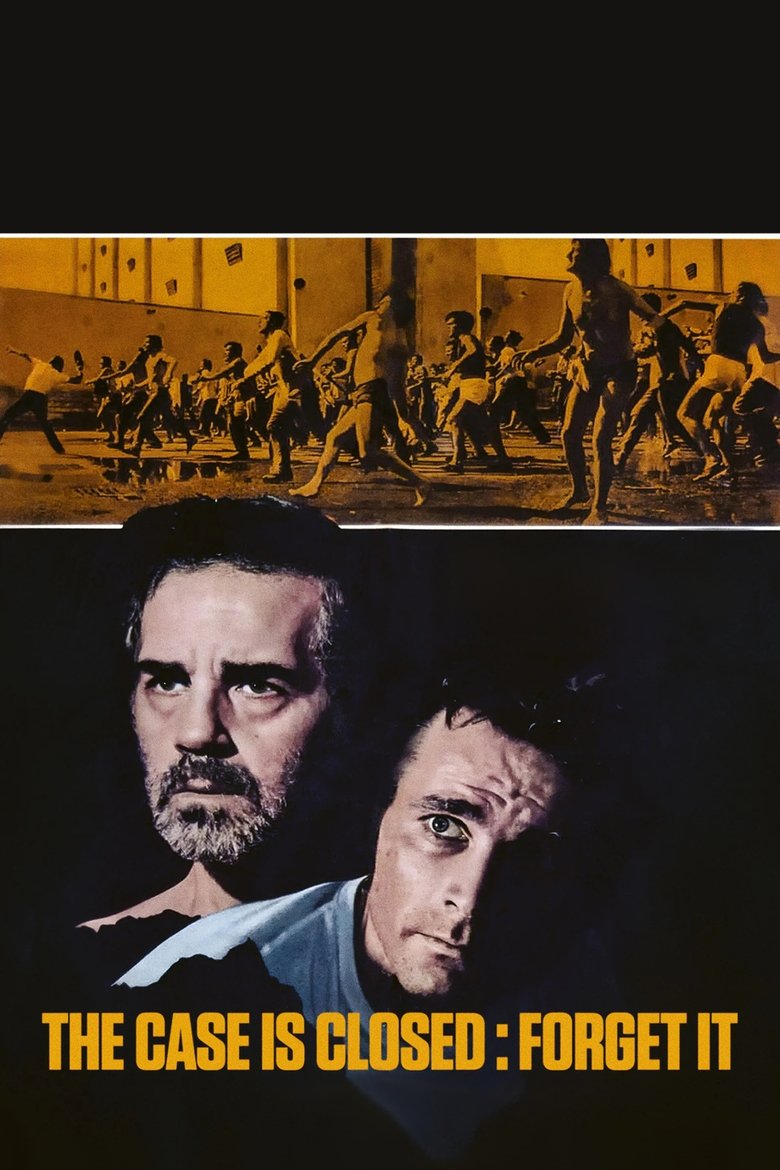
1971
Director
Damiano Damiani
Runtime
106 minutes
Average Rating
No ratings yetSynopsis
Arrested on suspicion of a hit and run, a succesful architect is put in prison awaiting trial or release. Whilst there he witnesses the grim reality of life behind bars: corrupt staff, corrupt inmates, an inhuman judicial system and the power of the Mafia.
Overall Score
Fair
Category Breakdown
LGBTQ+ Representation
The film offers no explicit evidence of LGBTQ+ characters or non-heteronormative narratives. The story remains centered on the socio-political realities of the prison system.
Gender Representation
The narrative follows a male architect navigating a male-dominated institutional environment. While female roles are not detailed, the setting prioritizes traditional masculine hierarchies within the prison.
Racial & Ethnic Diversity
The film likely reflects the demographic realities of 1971 Italy. The score accounts for a probable Mediterranean cast and the complex ethnic dynamics introduced by Mafia elements.
Religious & Cultural Diversity
The film excels by critiquing Western institutions like the judiciary and the state. It frames these systems as inherently corrupt, oppressive, and lacking legitimacy.
Disability Representation
There is no evidence to suggest that disability or neurodivergence plays a role in the narrative.
Strengths
Areas for Improvement
AI Analysis
Damiano Damiani’s work functions as a sharp critique of systemic corruption and the intersection of state power with organized crime. The film prioritizes political realism and the deconstruction of institutional integrity over demographic breadth. While the film lacks intersectional representation regarding gender or sexual orientation, it succeeds in its cultural interrogation. It challenges the perceived sanctity of legal and state institutions through a lens of systemic victimhood. The narrative focuses on how monolithic, corrupt structures erode individual agency. This makes the film a sophisticated study of power dynamics rather than a showcase for diverse character demographics.
No reviews yet. Be the first to share your thoughts on this movie!
Use the rating form above to leave a star rating and optional review.