
For Those I Loved
1983
No user ratings available yet
Representation score: 4.6 out of 10
Representation Score
Fair
1997
Director
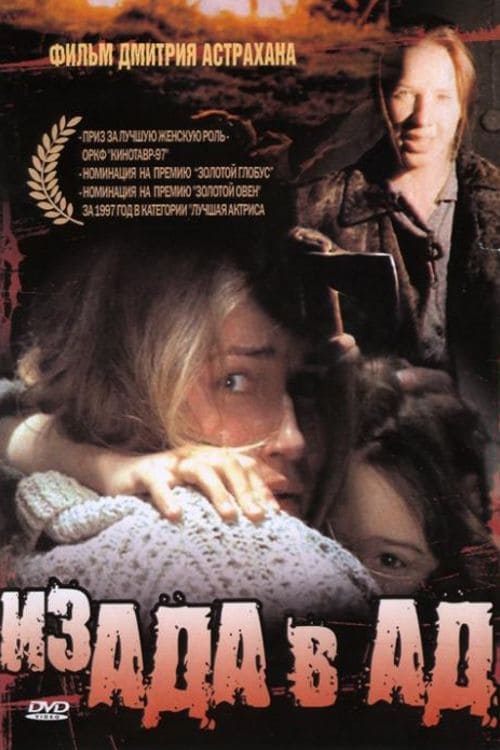
Dmitriy Astrakhan
Runtime
102 minutes
Average Rating
No ratings yetNew Showbiz Analysis
From Hell to Hell is a sophisticated historical drama that uses the Holocaust to explore how identity shapes survival. Its main strength lies in its layered approach to ethnicity and religion, which goes beyond a single national perspective to highlight systemic oppression experienced by different groups. The film effectively disrupts simple narratives by showcasing the varied lives of Jewish and Catholic couples. This provides a layered social commentary on the fragility of social cohesion during times of extreme upheaval. However, the film adheres to traditional dramatic formulas of its time. It lacks explicit representation of LGBTQ+ identities and does not address disability, focusing instead on established marital structures and ethnic survival.
Category Breakdown
The story focuses on traditional marital units within a historical context. There is no indication of non-straight relationships or queer undertones.
The film highlights the strength and vulnerability of women during wartime. Female characters likely play significant roles beyond traditional domestic duties due to the systemic collapse.
The film examines Polish identity by contrasting Jewish and Catholic experiences. This dual perspective challenges monolithic national representations through ethnic diversity.
By exploring the tension between Jewish and Catholic identities, the film questions religious and nationalist dominance. State structures are portrayed as sources of historical trauma.
No information is provided about the portrayal of physical or neurodivergent disabilities.
Present on Screen
Limited or Absent
Official Synopsis
Focuses on the lives of two married Polish couples (one Jewish, one Catholic) and the personal and social devastation wrought by the Holocaust and its aftermath.
1983

1965

1963

1989
1986

2001

1969
1997
No reviews yet. Be the first to share your thoughts on this movie!
Use the rating form above to leave a star rating and optional review.