Excision
2008
No user ratings available yet
Representation score: 7.1 out of 10
Representation Score
Minimal
1993
Director
Bill Morroni
Runtime
83 minutes
Average Rating
No ratings yetNew Showbiz Analysis
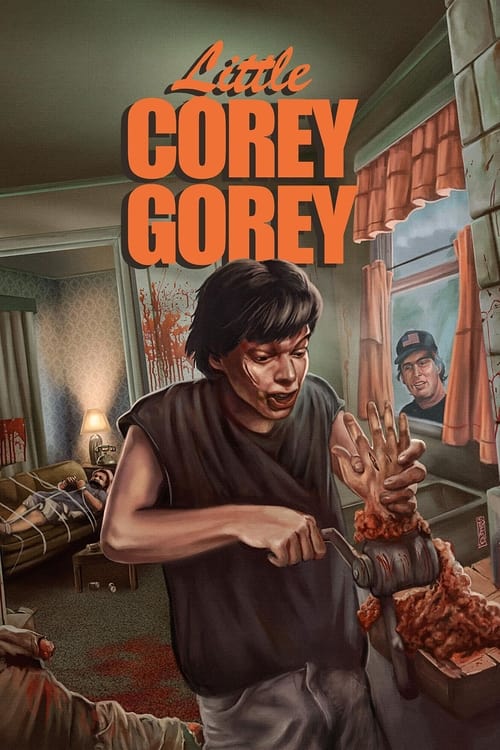
Little Corey Gorey is a horror film centered on a high school student's fight for independence amid domestic abuse. While the narrative challenges the sanctity of the traditional family unit, it lacks breadth in its representation of identity. The film focuses on interpersonal conflict and the collapse of domestic hierarchies. However, the absence of verifiable data regarding race, disability, and queer identity results in a narrow demographic scope. Ultimately, the work serves as a critique of familial oppression but fails to engage with broader diversity issues.
Category Breakdown
The film does not include any explicit mentions of LGBTQ+ characters or non-cisgender identities. There is no evidence of narratives addressing the assumption that everyone is straight or cisgender.
The story revolves around a domestic power struggle between a stepmother and an older brother. The female character is primarily portrayed as an antagonist within an abusive context.
The film does not provide any information about the racial or ethnic makeup of its cast. There is no evidence of non-white or non-Anglo-Saxon representation.
The narrative critiques the traditional Western family structure by depicting the home as a site of oppression. It emphasizes individual control over institutional stability.
The film does not portray any characters with neurodivergence, physical disabilities, or mental health conditions with significant roles.
Present on Screen
Limited or Absent
Official Synopsis
Abused by his older brother and step mother, a highschool student takes drastic steps to regain his independence.
2008
1992

2018

2007
1989

1996

2020

2008
No reviews yet. Be the first to share your thoughts on this movie!
Use the rating form above to leave a star rating and optional review.