The Truth About Women
1957
No user ratings available yet
Representation score: 3.7 out of 10
Representation Score
Fair
1960
Director
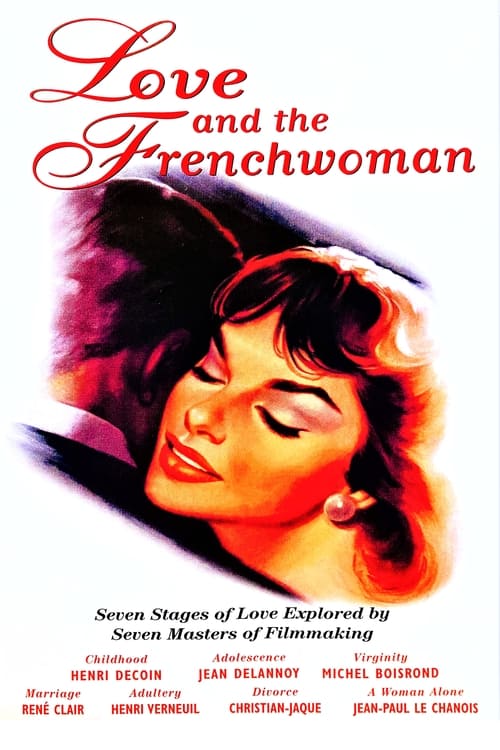
Michel Boisrond, Christian-Jaque, René Clair, Jean Delannoy, Jean-Paul Le Chanois, Henri Verneuil, Henri Decoin
Runtime
143 minutes
Average Rating
No ratings yetNew Showbiz Analysis
Love and the Frenchwoman is a collaborative anthology that uses a multi-director approach to explore the evolution of female identity. By breaking down traditional life stages, the film challenges rigid views of womanhood and highlights the fluidity of female experience. The film successfully shifts the focus to female autonomy, moving away from patriarchal norms. It portrays stages like infidelity and being single as legitimate parts of a woman's journey, rather than deviations from a domestic ideal. However, the film is constrained by its historical context. Its cultural framework remains homogeneous, lacking diversity in race and ethnicity, and failing to include LGBTQ+ representation or non-assuming gender matches what was assigned at birth identities, which results in a moderate diversity score.
Category Breakdown
The film mainly focuses on heterosexual life stages such as marriage and infidelity. Although it examines unconventional relationship structures, there is no clear depiction of LGBTQ+ identities or same-sex relationships.
The movie centers on the autonomy of women by following the life stages of a modern Frenchwoman. It breaks away from traditional submissive roles by emphasizing her personal experiences through stages like infidelity and being single.
The film operates within a culturally uniform framework typical of 1960s French cinema. There is no indication of diverse racial casting or perspectives from outside Europe.
The film questions traditional Western institutions by presenting marriage and divorce as part of a complex journey. It prioritizes individual desires and situational ethics over strict religious morals.
There is no information about the portrayal of physical or neurodivergent disabilities within the film's narrative.
Present on Screen
Limited or Absent
Official Synopsis
The seven stages in the life of the modern Frenchwomen are disclosed by seven directors in a witty way: 1 - Childhood, 2 - Adolescence, 3 - Virginity, 4 - Marriage, 5 - Adultery, 6 - Divorce, 7 - The Single Woman.
1957
1952
1985

1950
1975
2002
1965
1953
No reviews yet. Be the first to share your thoughts on this movie!
Use the rating form above to leave a star rating and optional review.