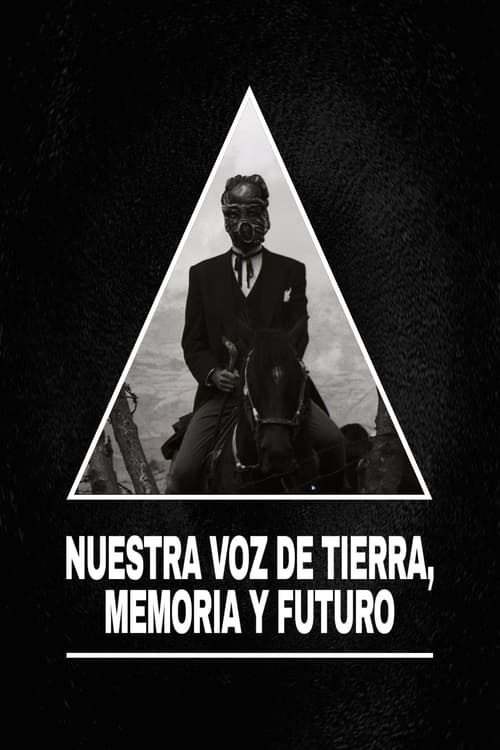
Our Voice of Earth, Memory and Future
1982
No user ratings available yet
Representation score: 6.2 out of 10
Representation Score
Good
2017
Director
Tatiana Almeida, Ernesto de Carvalho, Vincent Carelli
Runtime
162 minutes
Average Rating
No ratings yetNew Showbiz Analysis
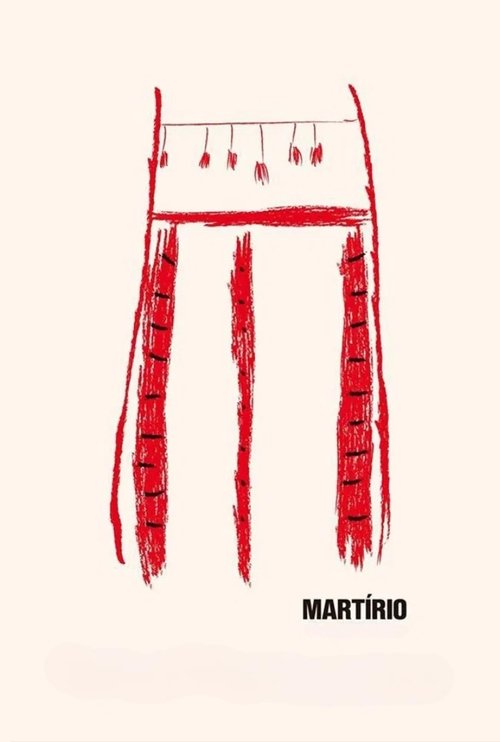
Martírio is a profound ethnographic study that replaces the colonial gaze with a longitudinal view of indigenous resistance. By utilizing forty years of archival footage, the film establishes the Guarani-Kaiowá as the central protagonists of their own history. The documentary effectively critiques the Brazilian State and the legacies of the Paraguay War. It frames the struggle for land demarcation not just as a political conflict, but as a fundamental fight for cultural and spiritual survival. While the film excels in ethnic and cultural representation, it lacks specific focus on LGBTQ+ identities or disability representation. However, its deconstruction of Western social hierarchies provides a progressive foundation for understanding non-traditional communal life.
Category Breakdown
The film does not explicitly focus on LGBTQ+ identities. However, it explores indigenous social frameworks that challenge traditional Western family models and assumptions about straight relationships.
The narrative deconstructs the cliché of the singular male hero. Instead, it highlights the communal roles and multifaceted contributions within the Guarani-Kaiowá social structure.
The documentary centers the Guarani-Kaiowá people, providing them extensive ability to act. It uses decades of archival footage to highlight their struggle against systemic racial and territorial injustices.
The film prioritizes indigenous spirituality over Western secularism. It portrays state institutions as oppressive forces that clash with the community’s communal existence.
There is no specific evidence regarding the portrayal of physical or neurodivergent disabilities within the film.
Present on Screen
Limited or Absent
Official Synopsis
Waving the flag that states every film is political, Vincent Carelli visibilizes in this documentary the cause of the Guarani-Kaiowá: a group of indigenous people that fear their lands, located in the Mato Grosso do Sul, will be confiscated by the State. A territorial conflict born more than one hundred years ago, during the Paraguay war. While fighting against the Brazilian Congress in order not to be evicted from their homes, the 50.000 indigenous people demand the demarcation of the space that belongs to them. With some rigorous investigative work, the Brazilian director tells with his own voice of the social and political injustices suffered by the Guarani people through material he filmed over the course of more than forty years. The archive images, both color and black and white, reveal the crudeness with which they coexist every day: among the violation of their civil rights and the guts with which they confront the usurpers.
1982
2011
2026
2015
2018
2013
2020
2024
No reviews yet. Be the first to share your thoughts on this movie!
Use the rating form above to leave a star rating and optional review.