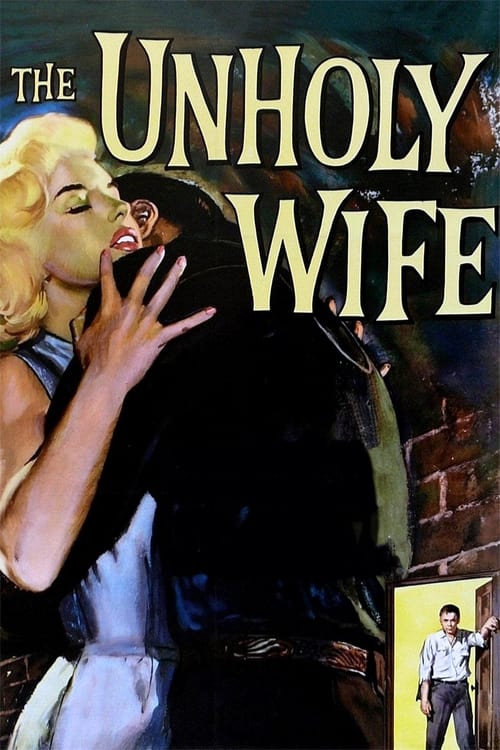
The Unholy Wife
1957
No user ratings available yet
Diversity score: 1.7 out of 10
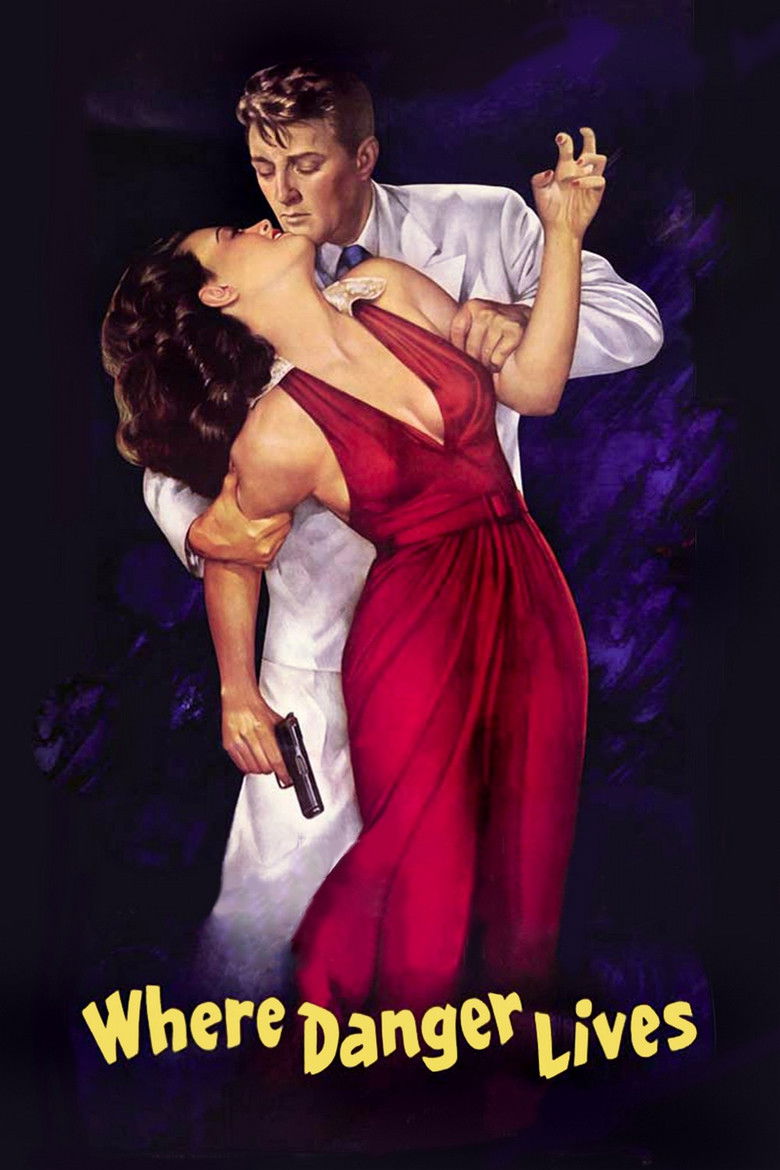
1950
ApprovedDirector
John Farrow
Runtime
82 minutes
Average Rating
No ratings yetSynopsis
A young doctor falls in love with a disturbed young woman and apparently becomes involved in the death of her husband. They head for Mexico trying to outrun the law.
Overall Score
Limited
Category Breakdown
LGBTQ+ Representation
The film contains no discernible LGBTQ+ characters or non-cisnormative identities. It operates entirely within a standard heteronormative framework typical of 1950s cinema.
Gender Representation
The narrative provides a nuanced portrayal of female agency by centering a woman managing a household in isolation. While subject to male psychological pressure, the protagonist engages in significant decision-making.
Racial & Ethnic Diversity
The production features a predominantly white, Anglo-Saxon cast. There is no evidence of racial blending or the inclusion of characters from diverse ethnic backgrounds.
Religious & Cultural Diversity
The film functions as a psychological drama rather than a socio-political critique. It does not challenge Western institutions or prioritize secularist or anti-capitalist narratives.
Disability Representation
There are no significant depictions of physical or neurodivergent disabilities. Psychological instability is used as a genre device for tension rather than an exploration of lived experience.
Strengths
Areas for Improvement
AI Analysis
Where Danger Lives is a character-driven psychological thriller that remains firmly rooted in the conventional social and casting structures of 1950s Hollywood. While it offers some depth to its female lead, it lacks broader systemic critique or intersectional representation. The film's focus is on individual psychological struggle and domestic tension. This narrow scope results in a homogeneous social landscape that reflects the era's standard studio practices rather than attempting to subvert them.
1957

1947
1950
1965
1945
1946
1974
1948
1972
1994
1964

2013
No reviews yet. Be the first to share your thoughts on this movie!
Use the rating form above to leave a star rating and optional review.